
What To Do Daily In The Garden In Autumn: A Tennessee Gardener's Checklist
Follow these five daily chores and you will have a beautiful garden to enjoy․ Check the moisture in your garden soil․ Check for insects․ Harvest ripe vegetables and fruit․ Clean up fallen leaves and dead plants․ Water newly planted plants․ Repeat the chore list throughout the months of September through November and your garden will be in a much better condition going into winter․ It's about doing the right small things often enough‚ continually‚ so that nothing ever gets away from you․
Overall‚ Tennessee is USDA zone 6b to 7b‚ meaning an average first frost of October 15 through November 5 depending on how high up you are in East Tennessee‚ with the higher up you are the earlier the frost and later the frost is‚ the farther the definition of daily can stretch․ You're in summer mode until early September‚ but by late October you're winterizing․
Harvesting: Walk The Garden Every Morning
If you still have tomatoes‚ peppers or herbs on the vine‚ check them daily․ In cooler weather‚ fruit left on the vine may become mealy or split after cold nighttime temperatures․ Beans and okra have the narrowest window‚ going from tender to woody in 48 hours after nighttime temperatures drop into the 50s․ Herbs like basil can be harvested copiously right up until the first frost; a hard freeze will turn basil black overnight․ If a hard freeze is expected‚ cut‚ dry‚ or freeze basil and other herbs in the week preceding the projected freeze date․
Pruning: Spare The Heavy Pruning For Later‚ But Deadhead Daily
If you need to prune the trees and shrubs back anyways‚ just wait until they are completely dormant‚ which tends to happen in late November into December here․ Pruning back too early and having new growth hit by a cold snap means the plant wastes energy to grow the new growth․ Removing the spent flowers of mums‚ asters and other blooming perennials will prolong blooming and divert any energy from seed formation to root growth․ As soon as you see a dead or diseased limb‚ snip it․ Fungal problems spread faster in the cool‚ moist air of October․
Leaf Management: This Is Your Biggest Daily Job
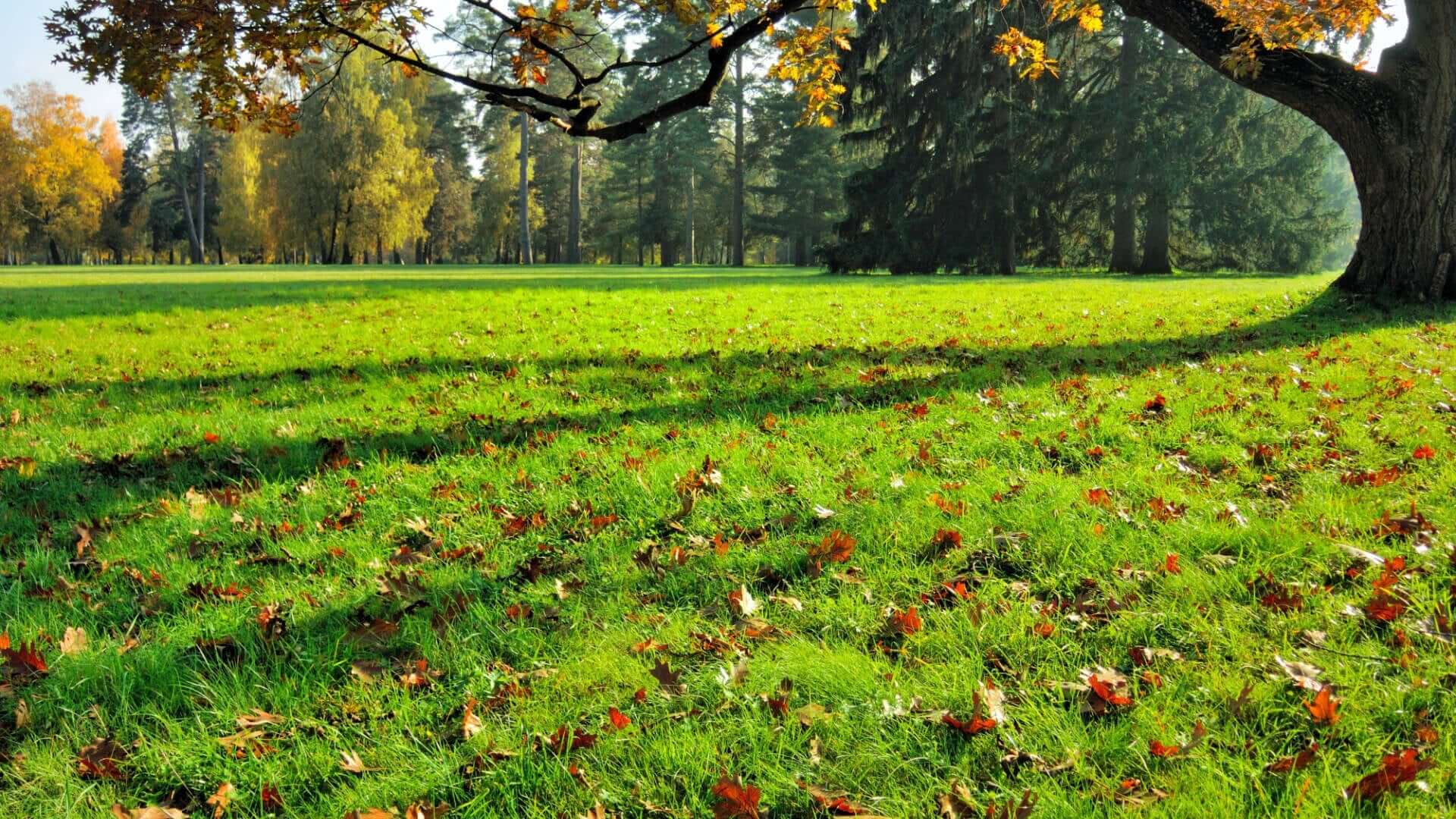
In Tennessee‚ the oak and maple canopy creates heavy leaf fall from mid-October to late November․ Don't let the leaves remain on the ground for over two or three days‚ or they could smother grass and promote fungal disease․ Shredded leaves are fine and even helpful on garden beds․ Shredded leaves make excellent‚ free mulch․ You need only to run a mower over them a couple times to break them up‚ and then spread them in a two- to three-inch layer around perennials and shrubs․ It protects roots from Tennessee freeze/thaw cycles‚ which are harder on plants than a long winter․ If unshredded‚ matted leaves make a thick layer‚ they need air and water for decomposition‚ and can impede drainage․ Shred them․
Planting: Your Window Is Narrower Than You Think
Fall bulbs such as daffodils‚ tulips‚ and crocus should be planted while the ground is warm and the air is cool․ In most of the state that is late September through October․ Don't plant too late‚ when roots won't have established before the cold winter‚ missing spring time blooms․ These are also good times to plant spinach‚ kale‚ and lettuce‚ the crop tastes better after a light frost has sweetened the flavor․
If you intend to plant perennials‚ fall is actually the best time to plant them here‚ as the soil is still warm enough for roots to take hold‚ and summer temperatures are not yet an issue․ TN Nursery digs its perennials and other natives for the fall planting season‚ so they will have an entire season to grow roots before blooming․ Water any plants you planted for the first time every day for the first two weeks․ After that‚ water two or three times a week‚ after roots have a chance to grow․
Soil moisture should be checked rather than solely relying on rain․
Tennessee's autumns are dry‚ even when the air is cool and humid․ Check the soil to a depth of 2 inches at the bottom of the plant daily․ Water if it's dry․ Once established‚ most plants can wait several days between waterings․ For plants that were installed in the last month or so‚ it pays to check every day․ Add an inch of compost around any perennial beds now․ During winter the organic matter will break down and feed the soil biology as the plants start growing in spring․
Pest And Disease Watch
Aphids and spider mites are often problems early in fall‚ looking for bedding down sites for winter․ Check the undersides of leaves if they are yellowed or stippled․ Fungal diseases like powdery mildew thrive in the warm‚ moist mornings and cooler Tennessee October nights‚ so it's best to prune back the leaves once they show the first signs of infection rather than allow them to spread to neighboring plants․
Cover Crops And Bed Cleanup
If vegetable beds are vacant by mid-October‚ sow with crimson clover or winter rye before frost․ They will germinate‚ prevent winter erosion‚ and when turned under in spring‚ add nitrogen to the soil․ In the meantime‚ keep pulling up annuals and any diseased plant debris as you see them‚ rather than letting beds go to seed heads and rot‚ and disposing of the latter in the rubbish rather than the compost pile․
Lawn Care Throughout The Season
Continue cutting as growth slows‚ which typically occurs in late October to early November․ Gradually reduce the mower height on the last two cuts to avoid mats when the grass is covered in snow or ice․ Rake leaves off the lawn as they fall‚ or daily during maximum drop to prevent a smothered lawn entering winter․ This will prevent bare spots and weeds in spring․ If you are overseeding fescue‚ you'll want to get the seed down by early October to ensure it will germinate before winter․
None of this takes more than fifteen or twenty minutes a day once it's a habit․ The gardens that come through Tennessee winters looking strongest are the ones whose owners went outside and looked at them every day in October and November‚ not the ones who did it all in one fell swoop․


