
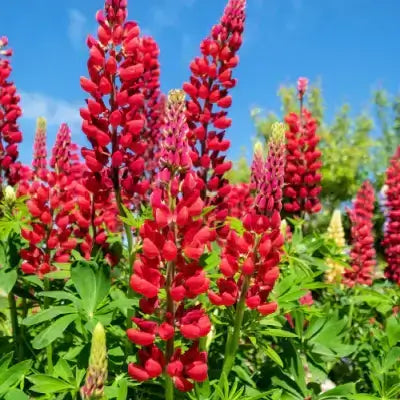
Vibrant Perennial Accents: The Best Colorful Perennials for a Low-Maintenance Southern Garden
In addition‚ perennials are particularly beloved by the hobbyist gardener because they do not leave the following year's soil bare․ Most perennials flower more profusely each successive spring for five to ten years or more‚ depending upon the plant and its ability to root deeply․ The biggest problem faced by gardeners in Tennessee is the varied climate conditions throughout the state‚ ranging from muggy summers and heavy clay soils to mild and cold winters․
In this guide‚ you will find perennials that can flourish in the Southeast‚ plus the nitty-gritty that makes a perennial bed thrive or limp along․
Tennessee Gardening: The Case for Perennials
Annuals die after one year and are replanted every year․ Perennials‚ whose roots (crown and any tubers or rhizomes below the frost line) survive the freezing winter‚ vegetate each year as the soils warm in spring․ In Middle Tennessee it occurs in late March or early April; in West Tennessee‚ a little earlier; and in the higher mountains of East Tennessee‚ a little later․
Perennials may be more expensive than a flat of annuals but just split the cost by two or three seasons of blooms and you have a garden that gets better every year․ By their second and third years‚ most perennials will be larger and flower more profusely than in their first year․
Top-performing perennials for Southeast landscapes․
Red Cardinal Flower (Lobelia cardinalis)
It is one of the only red true perennial plants that will bloom in the partial shade of the dappled sunlight of the mature oaks and maples that are common in many Tennessee yards․ Blooms in mid-summer to mid-fall‚ 2 to 3․5 feet (0․61 to 1․07 m) tall․ Hummingbirds will enjoy this plant throughout the yard․ Cardinal flower is well adapted to a very moist location‚ for example‚ in the bottom of a downspout‚ in a swale‚ or on the edge of a pond․ In Tennessee‚ this plant reportedly tolerates full sun‚ if watered there‚ and sulks in a dry summer․
Orange Daylilies (Hemerocallis)
Daylilies are nearly indestructible here․ They take our clay soil‚ they take our humidity‚ and they take our short droughts․ Certainly the flowers are short-lived‚ but a large clump has so many buds that there may be one blooming almost every day from late spring through fall․ It's said that the plant will produce more flowers with full sun‚ but in west Tennessee‚ it may need some afternoon shade at the hottest part of the day․ The most economical way to expand a bed is to divide the clumps every 3 or 4 years in non-blooming years․
Yellow Coneflower (Rudbeckia fulgida)
Also called the Black-Eyed Susan‚ this Southeastern native is one of the best pollinator plants you can have in your perennial beds․ Daisy-like yellow petals surround a dark‚ cone-shaped centre that blooms from late summer into fall‚ just as most of your early spring perennials are done blooming․ It tolerates poor soil‚ drought and full sun‚ making it an excellent choice to anchor a beginning perennial garden‚ mixed or formal border․
Larkspur Delphinium
No perennial can give you the height of the delphinium․ Stacks of blue to purple blooms reach heights of 6 feet in the right conditions‚ but the Tennessee heat will keep any delphinium in your garden at 3 - 4 feet tall․ The plant prefers full sun‚ but does well in partial shade‚ especially in midafternoon‚ when the temperature reaches the 90s (37․8 C) in July and August․ The plant may require staking so that the wind will not break the flower spikes․
Jewelweed (Impatiens capensis)
Often overlooked‚ this is well worth planting if you have a shady‚ moist spot in the garden where nothing else will grow․ From summer until fall‚ it bears trumpeting orange and yellow tubular flowers‚ and migrating hummingbirds heading south will feed on the blooms in September․ After establishing‚ jewelweed reseeds itself so prolifically that no further replanting is normally required․
Designing With Perennials Instead of Just Planting Them
If you are planting perennial plants in a flowerbed in a yard‚ it is better to plant drifts of three to seven of a cultivar of perennial plants in one location and repeat them elsewhere in the flowerbed in order to create rhythm‚ than to transplant single plants randomly about in the flowerbed․ If the perennial plant is a tall one like a delphinium‚ add a medium height filler plant such as a coneflower‚ and a low edging plant like daylilies․ This way your bloom time is lengthened and you have a balanced aspect as it is not all tall or short and TN Nursery perennial collections are designed to help the consumer develop a bed that looks like a well established garden as soon as the plants are put in the ground rather than developed through years of trial and error․
Care That Actually Matters
Watering: Newly planted perennials should be kept watered by rain or by hose at a rate of 1 inch of water per week until they are settled in (6-8 weeks)․ After this‚ most of the plants above can go several days or longer without water‚ with the exceptions of Cardinal Flower and Jewelweed which prefer moist soil․
Soil: Tennessee has clay soil‚ which holds nutrients well but does not drain well; more perennials die from poorly draining soil than from winter cold․ Work two to three inches (5․1 to 7․6 cm) of compost into the top six inches (15 cm) of soil‚ and cover it with two inches (5․1 cm) of mulch․
Fertilizing: No heavy feeding needed․ Most of these perennials require just one main application of slow-release balanced fertilizer in early spring․ High levels of fertilizer favor leaf growth over flower growth in coneflower and delphinium․
Dividing: Dig up and divide congested clumps of daylilies and coneflower every three to four years when their centers are thinning out or the flowers are smaller than they used to be․ In our climate zone‚ it is usually best to divide daylilies and coneflower in late fall or very early spring․
""Perennials are generally more forgiving of neglect than of over-attention‚ and all they really ask is a good soil‚ consistent watering for the first season‚ and a light application of fertilizer; in return they will fill your garden with delightful color year after year․


