
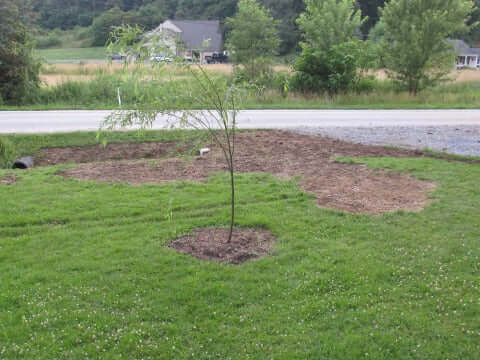
Transplanting a tree is as delicate as bringing another person into a home; it requires care‚ thoughtfulness‚ affection‚ and an ideal surrounding․ Trees‚ much like humans‚ have distinct personalities and temperaments‚ and adapt to their surroundings․ We moved these trees‚ putting them into the ground in the new location․ That changes the tree and‚ if treated properly‚ it makes a difference in the tree's growth‚ in its stability and in fact‚ its whole life․ A transplanted tree is‚ after all‚ more than a decorative element‚ and the tree's subsequent requirements should be well understood and catered for to promote healthy tree growth․
Watering
Watering requirements may be one of the most critical aspects of tree care immediately after transplanting․ When a tree is transplanted‚ the roots are disturbed‚ and may take some time to become established in the new soil․ It is at this time that water should be provided so that the roots establish good connections with the surrounding soil․ A new tree requires deep watering during this post-transplant period․ In such a case‚ period watering by hand should be used to slowly soak the soil around the roots and allow it to be absorbed down to the root zone․ As the tree becomes more established‚ the frequency and depth of watering should then be adjusted until it receives the right level of moisture needed to cultivate the tree without becoming over or under-watered․
Sunlight
After water‚ sun and light are the next most important requirements for the survival of the transplanted tree․ Most varieties of trees can be grown in sufficient sunlight and will prosper․ Check the light levels where the tree is to be planted․ If the new tree grows in a shady place‚ it will become spindly‚ quit photosynthesizing properly‚ or‚ in extreme cases‚ die․ As such‚ it is necessary to plant trees in the correct position in a location so that it will be able to absorb sunlight for several hours a day in the coming days․ This is so that the tree has sufficient energy to properly grow as it lays solid foundations for the next stages of its life․
Another aspect that needs to be considered after transplanting is the concept of transplant shock‚ which is the stress experienced by a tree after it is transplanted․ Signs of transplant shock include wilting‚ leaf drop‚ and suppressed growth․ It is important that special care is given to allow the tree to recover; at this point it is most important to make sure the water and nutrients are just right․ Do not fertilize the first several months after transplanting (the fertilizer would feed the leaves when the tree needs energy for rooting)․ This will allow the tree to put its energy into root growth‚ as opposed to green growth․ Be patient over the next few months‚ taking care of the tree and monitoring its overall health while it begins the process of settling into its new home․
Pests
Another factor to consider is pest control․ Newly planted trees are usually more vulnerable to insect infestations because trees that have been recently transplanted are usually in a state of stress that makes them susceptible to pests․ Regular inspection for pests or disease helps to identify problems before they are too common․ Introducing predatory insects or using natural insect repellents are good non-chemical options for protecting a newly planted tree․ Providing a diverse environment nearby can help to stabilize the local ecosystem‚ thus preventing pests from becoming a problem․ Thus‚ a diverse area can act as a buffer‚ helping the transplanted tree survive in the new environment it inhabits․
Plans for long-term maintenance should consider watering needs‚ when to apply mulch‚ what to look for such as growth rates and general health‚ and treatments for disease or pest infestations․ Inspections can be conducted on a seasonal basis․ Sometimes either a prop needs to be placed in the tree or some fertilizer added or the watering needs changing․ Pruning is sometimes used to cut off dead and diseased limbs so that the tree will not waste energy on the weak limbs․ If organic mulch is used‚ it improves the soil‚ suppresses weeds‚ and provides a microhabitat to increase the chances for the tree's long-term success․
Caring for a transplanted tree requires time and patience․ However‚ if a tree is watered properly‚ provided adequate amounts of light‚ and kept free from pests‚ it will make a successful adjustment to its new location․ By taking the time to keep the transplant going through its wee stage‚ not only will we have a healthy and beautiful tree that can improve the landscape‚ but we are also doing our part in helping the environment around it․ So the energy we put into maintaining these trees is not in vain․


