
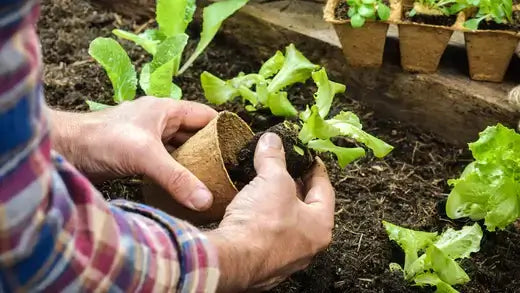
Starting a garden‚ especially if you have no prior experience‚ can be a little intimidating․ Once you gain some knowledge and experience‚ it is relatively easy to create a beautiful and productive garden․ Even though most people think of plants with green leaves and colorful flowers‚ there are some basic principles to gardening․ Whether you want to grow your own vegetables‚ plant flowers to beautify your backyard‚ or simply relax in it‚ this essay covers some useful tips that will help you achieve your gardening goals while deepening your bond with nature․ Knowing the essentials will help you get started on your journey to create your ideal garden․
Soil
Picking the right soil is one of the most important steps to designing and establishing a successful garden․ Soil is not just dirt‚ but rather a tiny ecosystem that provides everything your plants need․ To balance drainage and moisture retention‚ you can also use a loamy soil mix with sufficient amounts of sand‚ silt‚ and clay‚ or purchase organic potting soil if you are growing in containers․ Usually‚ this kind of soil will have the most amounts of nutrients necessary for your plants to grow․ However‚ it is highly recommended to test your soil with a soil test kit from your local gardening store to get the pH and nutrient levels․ You can then correct your soil's deficiencies and give your garden a fighting chance with compost or fertilizers․.
Watering
Watering the plants is an art․ A watering schedule should be established based on the requirements of the plants but the forecast should always be taken into consideration․ Although overhead watering is more labor-efficient and the preferred method‚ disease problems can develop․ Drip irrigation‚ which delivers water directly to the roots of the plant‚ is generally considered to be the more efficient method․ Standard consensus is to water deeply‚ but less frequently‚ allowing the soil to dry between each watering‚ and to water when the air is cool‚ for example‚ in the early morning or at dusk‚ to minimize evaporation losses․ Watch for the earliest signs of need: leaves yellowing or wilting means to water; brown leaf edges may mean too much water․ When you learn to better schedule your soaker irrigation‚ you'll keep your plants happy and create a stronger garden․
Sunlight
Sunlight is another important part of the environment‚ and plants have different needs‚ with some preferring full sunlight and others partial shade‚ so the amount and quality of sunlight matters․ You will need to observe your garden area throughout the day to see which areas get the most sun and which are cool and shaded․ Vegetable plants need six hours a day of sun light for the photosynthesis they need for optimal growth and fruit production․ You can help protect sensitive plants from burning out from the hot midday sun by using shade cloth where necessary‚ or using larger plants to block them․ You will have to be watchful and adjust your plant placement as they grow‚ and as the sun moves further across the sky‚ to provide them with adequate lighting․
Composting is one of the basics of maintaining a healthy ecosystem․ The United States Department of Agriculture (USDA) describes composting as the process of recycling organic material such as vegetable scraps‚ coffee grounds‚ and yard waste into a nutrient-rich soil amendment that can improve plant growth and soil․ After you select a compost bin and gather your compost bin contents‚ continue layering your compost pile with greens (high in nitrogen) and browns (high in carbon)‚ and continue turning your compost pile to encourage the material to decompose․ As well as adding nutrients to your soil‚ compost will improve its structure and drainage‚ and may improve its water-holding capacity․ If the compost isn't breaking down as well as you'd like‚ don't fret; patience is key for beginners․ If you want to supercharge your composting regime‚ just remember to throw the right ingredients into the pile in order to make it a sustainable source of nutrients for your plants in no time!
Gardening is not a hobby that is confined to a particular time of year․ It is an evolving and fluid pursuit heavily affected by seasonal changes․ As a new gardener‚ your awareness of the seasons should be high․ During spring‚ the focus is on seed starting and preparing garden beds․ The summer season is for growth and blooming․ In the fall‚ field crops should be harvested and cover crops should be planted to improve the soil during the winter season‚ when planning can be done for the following season․ You can also review and evaluate your successes and failures in the garden‚ and have a greater awareness of the seasons: being in tune with the rhythms of the seasons‚ climate‚ and environment․
In conclusion‚ gardening is a fulfilling and helpful activity that allows individuals to grow alongside their plants․ By understanding the basics of gardening‚ such as soil types‚ watering‚ sun exposure‚ composting‚ and seasonal gardening‚ individuals can develop their green thumb and enjoy the beauty of nature․ So why wait? There is no better time than now to start your gardening journey․ It is said that every expert gardener had to start from a seed and with proper curiosity and practice anyone can achieve the mastery of planting and reaping rewards from Mother Nature's bounty․ Put on your gloves‚ work the soil‚ and pay attention to beauty․


