
Tools for Effective Pruning
To prune means to care for a plant to bring out its natural beauty‚ just like a sculptor who chisels to smooth out the rough edges of a block of marble to bring out a statue․ To get them to grow into their most colorful forms․ Whether you maintain a large orchard or merely a small flower bed in the garden‚ it is important to know the right way to prune․ With proper pruning‚ you get good growth‚ more blooms‚ and the plant is healthier and less prone to diseases․ Pruning is not just something to do when you want to cut something down; it is knowing exactly what each plant needs at the time to prosper․
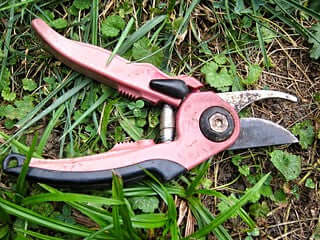
To prune plants properly‚ it is first essential to have the proper equipment․ To be effective‚ a gardener needs a few essential tools․ Using sharp pruning shears to make a clean cut can reduce the amount of damage to the plant․ In cases where branches are too thick to cut using pruning shears‚ loppers‚ which are larger with longer handles‚ can be used to prune the branch․ Larger branches require a pruning saw‚ which‚ like other saws‚ must be kept clean and sharp in order to produce smooth‚ clean cuts․ Also‚ it is recommended to use protective gloves to prevent cuts and scratches from thorny branches when doing the pruning․
Pruning Techniques for Different Plants
Some plants‚ for productive results‚ may need to be cut back in specific ways‚ and the study of the correct techniques has in turn contributed to an understanding of the plants' growth forms․ For example‚ many flowering shrubs are pruned soon after flowering so that new buds can appear․ Fruit trees are best pruned in late winter or early spring while dormant‚ as this helps to prevent the bleeding‚ and ensures the tree is in the best possible condition to produce fruit during the growing season․ Evergreens respond more to pruning․ Because they do not grow new shoots over the cut surface to make it less visible‚ pruning requires more attention to the location of the cut․ Knowledge of the plant's biology is critically important․
Timing of the pruning is important‚ as pruning too early may expose the plants to the severity of winter conditions․ If done too late‚ this may not allow for new growth to develop in spring․ In general‚ most plants are pruned during the dormant season which varies by climate and species․ Late winter and very early spring is the best time to prune plants if winter temperatures are low enough․ In warm climates‚ pruning plants in the late summer will also work․ Each plant has its own life cycle and its own way of growing․ By pruning plants at the right time‚ you can enjoy a deeper relationship with your garden and help bring forth more fruits and flowers‚ while respecting the realities of nature․
Mistakes can include over-pruning‚ or the removal of too much of the tree's foliage․ This causes the health of the tree to decline‚ making it likely that the tree will then be susceptible to pest and disease pressures․ A poorly shaped tree‚ one that lacks a clear growth pattern‚ can be less attractive․ Not all branches need to be pruned․ Healthy plants should also be thinned‚ along with dead or diseased branches‚ and if the process of pruning is done carefully and slowly‚ it is possible to create a well-balanced and healthy garden․
Types of Cuts Explained
Learning how to make the proper types of cuts is basic to pruning․ The three main types of cuts are heading cuts‚ thinning cuts‚ and rejuvenation cuts․ Heading cuts are cuts to buds on a branch‚ while thinning cuts are cuts to the base of the stem․ Heading cuts encourage bushier growth‚ and thinning cuts allow light and air to reach the interior of the plant․ Thinning is particularly important to fruit trees which need a lot of sunlight to produce fruit․ Rejuvenation cuts are a type of rough cutoff where a plant is cut off to within several inches (centimeters) of the ground․ This is most useful for overgrown shrubs‚ and is typically done in the offseason‚ to promote new growth from the ground․
In summary‚ pruning is an important skill for any gardener to learn‚ in order to bring out the best in their plants and keep their garden looking its best․ It can be learned by the average gardener given proper tools‚ information about the best techniques‚ and the best times for particular plants․ Your ability to maintain gardens can be improved by avoiding common mistakes and acquiring knowledge of the various types of cuts․ Like any other form of art‚ growing your pruning skills takes time and practice․ This wondrous dance between gardener and plant sets the stage for resilience‚ beauty‚ and growth‚ ultimately allowing gardens to blossom into their fullest potential․ Embrace the journey of pruning‚ and watch your plants flourish under your dedicated care․


