
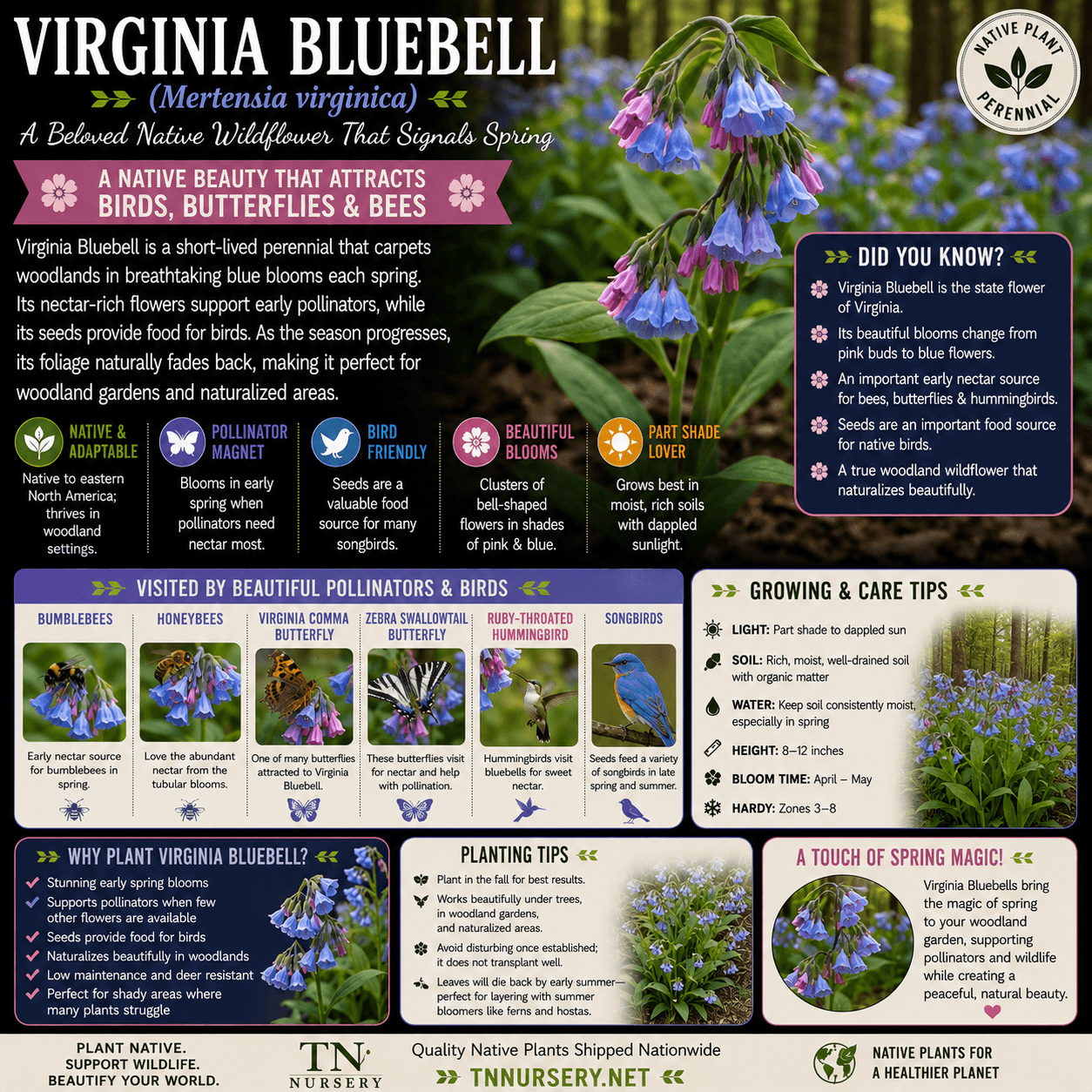
Few things are as beautiful or as rewarding as perennial gardening․ These plants‚ which return year after year‚ allow gardeners a tremendous opportunity to add beauty to the landscape without replanting every season․ And those plants change through the seasons‚ bloom at different times of the season‚ and create different textures and colors․ The beauty of a perennial garden is not just in the flowers‚ but in the nature of the plants themselves․ The success of a perennial garden relies heavily on the knowledge of plant needs and preferences and the design of an environment that meets those needs․
Beneficial Insects and Pollinators
Another indirect‚ but important‚ advantage of perennial gardening is that the habitat helps to encourage insects that benefit the ecosystem‚ such as pollinators․ Conventional synthetic gardening and farming techniques often attack pest insect species‚ using chemicals that may also attack helpful insects; a perennial garden can attract helpful bees‚ butterflies‚ and other insects․ Planting diverse perennials‚ such as lavender‚ coneflowers‚ and milkweed‚ creates habitats for the insects‚ allowing them to thrive and in turn‚ pollinate more flowers‚ increasing the habitat for other animals and increasing biodiversity overall․ The sound of bees buzzing by the flowers fills the garden‚ another example of how all acts in nature are connected and involved in the well-being and health of the garden․
In terms of aesthetics‚ the principles of design can be used to turn a piece of ground into a work of art․ Successful perennial garden design involves integration of factors such as color‚ texture‚ height and the natural topography․ In addition to complementary colors‚ warm and cool colors‚ such as reds and blues‚ can affect the mood of a person walking through the garden․ Plant arrangements of varying heights with taller plants in the rear and smaller plants in the front can also create depth․ Including different leaf shapes and textures within the plants of the garden provides a tactile element‚ and the paths that run through the plants provide accessibility and the opportunity to explore the seasonal progressions․
Year-Round Garden Care Tips
A well-maintained system such as this requires careful attention throughout the year‚ taking into account seasonal changes in the garden and watering during dry periods so that the roots of established perennials are kept moist to ensure their continuing good health․ Add organic matter to the soil as required to help with growth‚ then deadhead (remove flowers that have finished) to prepare the garden for winter and encourage flowering․ Preparing a garden for winter‚ or winterizing‚ often consists of mulching around plants to protect them from freezing temperatures and frost and to retain moisture‚ so that the garden can come to life again in the spring․
Choosing plants appropriate to the season is one of the key priorities for perennial gardening․ There are a wide variety of perennials available to gardeners‚ and therefore a wide scope for selecting plants to suit locations and conditions․ The earliest crocus and daffodil will signal the new spring season․ Plants that bloom in the summer‚ such as daylilies and hostas‚ will look their best in that season when the weather is hot․ A few autumn plants such as asters and sedums‚ will not be hidden by the falling leaves․ Knowing the bloom cycles of these plants allows for the succession of color throughout the year․
Weed Control Strategies
Weed control is part of perennial garden maintenance․ Weeds compete with garden plants for nutrients and they can provide cover and act as a breeding ground for pests․ Combination measures work well to keep these unwanted plants out․ Mulching saves moisture and also acts as a barrier to the germination of weed seeds․ Occasional hand-pulling of weeds or removal of weeds before they seed can keep them from becoming established․ Organic herbicides can be used in the garden without harming helpful insects․ The best way to suppress weeds is to build a healthy soil structure and plant cover crops․
In short‚ perennial gardening is an extremely difficult art that brings beauty and environmental good together in one package․ Based on an interest in helpful insects and the principles of design‚ gardeners can create something beautiful and ecologically sound․ With year-round attention to plant selection and weed control‚ a perennial garden can be beautiful through all four seasons and eventually become a sustainable ecosystem․ And as we garden we can participate in the dance of life and in the pattern of nature and do not feel alone‚ for we are all connected․
Perennial gardening‚ in this sense‚ is not just a hobby or an interest: it is a way of reconnecting with the land‚ paying attention to nature‚ asking questions and appreciating the complexity of natural processes‚ overcoming obstacles and enjoying the experience‚ and expressing ourselves‚ allowing the world around us to inspire us to make a better world․ A perpetual‚ living canvas composed over the years․ Each bloom is a brushstroke‚ each stem a word - symbols of survival‚ harmony‚ and the joy of nurturing life itself․


