
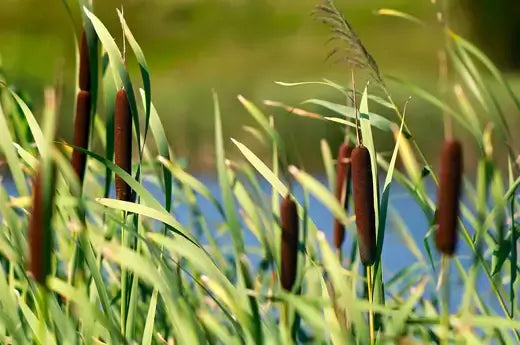
Perhaps one is used to seeing the foliage around them and does not consider that when the plants are native to the ecosystem‚ they are the unsung heroes to the ecosystem as they support and contribute to its diversity․ Native plants have come about without human introduction into the environment‚ and have adapted themselves to the climate‚ soil and wildlife of a particular locality․ Because of their long-term attachment to the local ecology‚ they can be expected to be hardier․ Further exploration of how these plants benefit the ecosystem‚ biodiversity‚ and local economy through their sustainable use and management should take place as we expand our understanding of their importance․
Benefits of Native Plants
One of the greatest benefits of native plants is that they are a component of the habitat of pollinators‚ including bees‚ butterflies‚ and birds‚ which in turn pollinate many other plants․ Native plant and animal communities support each other․ They are better suited to local conditions‚ using less water and fewer chemicals than non-native species․ This also leads to more efficient use of natural resources and reduced pressure to extract additional supplies․ Using native plants in landscaping and gardening reduces the need for fertilizers and pesticides and contributes to the improved state of soils‚ aquifers‚ and water systems‚ thereby helping promote a healthier environment․
Biodiversity is not just a word to throw around: it is the glue that holds․ Native plants are important contributors to biodiversity‚ providing food and habitat to arthropods‚ mammals‚ birds and others‚ especially those insects that may not survive in the alien plants widely used to replace those lost․ The native plant community provides a buffer against disease and disturbance‚ and its resilience is an important buffer against the adverse and unpredictable effects of climate change․ Planting and maintaining native plants in an area can help conserve its genetic diversity from loss that could be caused by the spread of intrusive plants or loss of native plant habitats․
Conservation Efforts for Native Species
In recent years conservation of native plants‚ habitat restoration‚ and native plant education groups have also increased in many areas and public awareness and involvement in the conservation and restoration of native plant communities is also increasing․ At the grassroots level private individuals and groups contribute to the conservation of native plants through the reintroduction of native plants to local landscapes and the elimination of intrusive plants․ Through educational programs in schools and in the community‚ we are working to educate local youth about the value of native plants and how they can take an active role in caring for the natural world around them‚ not only for themselves but for the many generations to come who will appreciate it․
But the single-crop production system of commercial agriculture‚ which is rewarded by high yields‚ is often also used to grow non-native crops․ The unsustainable practices of industrial food production‚ such as reliance on fertilizer and chemical pesticides and herbicides‚ are also closely related to the loss of native plants․ These practices can damage local ecosystems‚ by causing soil degradation and polluting waterways․ These practices can be addressed by incorporating native plants into the agricultural production system․ Supporting the cultivation of native plants and foods‚ in addition to the more conventional agriculture‚ creates a more complex web of biodiversity that allows for greater diversity of food produced on the land while also promoting the regeneration of the ecosystems and the local economy; a win-win situation for conservation and agriculture․
Community Engagement in Planting
Community and social aspects are another major focus of the native plant movement‚ including gardening‚ festivals‚ and events that allow communities to take part in activities that foster a connection with local ecosystems and natural areas․ Communities can encourage the planting of native plants in public areas‚ schoolyards‚ and residential landscaping․ These plantings may beautify the community and help people feel responsible for the community landscape‚ developing a sense of ownership over the area․ Mobilizing a community to plant native plants can influence community leaders to take steps to protect and promote native plants in the community․
In short‚ the case for native plants goes far beyond their beauty‚ and for these reasons we encourage biodiversity and conservation‚ local production and community involvement‚ and support programs and organizations that promote the use of native plants as an integral part of working toward sustainable‚ healthy ecosystems that are inextricably interconnected within the fabric of our communities and vice versa․ Remembering that our habitat consists of a series of threads woven into one another enables the persistence of both the beauty and the role of native plants in the narrativization of the relationship between human beings and their place․


