
Growth Habits and Characteristics
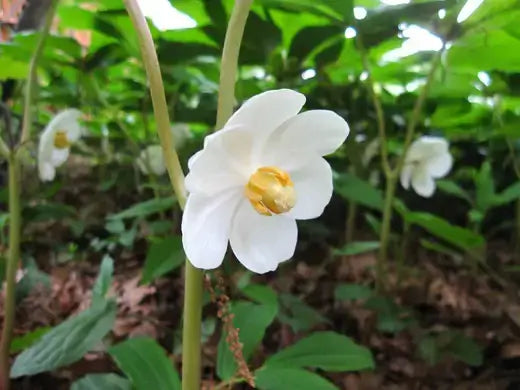
The May apple is a North American perennial plant which may be found growing in the understory of woodlands or at the edges of forests‚ where it is often concealed by the canopy of taller trees․ The flowers are white and unique‚ and the unusual fruit piques the curiosity of those who enter its habitat․ The may apple (Podophyllum peltatum) is more than a plant․ This symbol of resilience and adaptation graces the arrival of spring with dainty beauty and persuades forager and botanist alike to appreciate the modest yet rich bounty nature provides and to discover its storied past․
The growth habit of the may apple is important to understand because of its role in the annual cycle․ After it emerges from the ground in early spring‚ a single‚ over-sized leaf immediately unfolds from the plant․ The leaf is umbrella-like in shape‚ and it collects the sun's energy very quickly․ Generally each plant produces a pair of leaves‚ as broad as twelve inches (30 cm)‚ which form a canopy for the flowers․ Although they are large‚ the flowers can only be dimly seen from below‚ obscured by the leaves‚ like buried treasure in the underbrush․ After pollination‚ the flowers develop into round fruit which ripen at the end of spring through the beginning of summer․ The small apples hang below the leaves and look very appetizing to all who wander beneath the branches․
Harvesting and Culinary Uses
With this knowledge‚ the May apple harvest can be a very productive and sweet one․ The fruit is ripe when it turns a bright yellow color․ The edible fruit is safe to eat but should be carefully gathered‚ as the unripe fruit and other plant parts are toxic․ Nevertheless‚ those who know how to discern the properly ripe May apple have often said the fruit makes a reasonable jam and jelly ingredient and desserts of many kinds․ Beyond this bit of kitchen magic‚ there are far older‚ and other uses of the May apple in the various cuisines of the world․ It is a symbol of a fruit more closely attuned to Its earth and less manmade‚ and a balance of knowing when to admire its beauty but steer away from its dangers․
Several cultures throughout history have made use of the medicinal properties of the May apples; which is another product whose medicinal properties have been so tightly ingrained into the destiny of the May apple that ancient tribesmen and herbalists used its extracts․ The roots and leaves of the May apple can produce a medicinal extract called podophyllotoxin‚ which has been used by folk medicine practitioners to treat warts and certain skin diseases‚ and has also been used in modern medicine․ The plant has thus been used for centuries․ Although poisonous‚ with correct use‚ the May apple has been shown to be a substance of great value to humans; humans can and should marvel at nature and respect its power․
The rise in popularity of both foraging and herbal medicine practices creates a greater need for May apple habitat conservation․ Although the plants are hardy‚ the population is threatened by ecosystem fragmentation‚ pollution and climate change which can have effects on the habitat in which May apple grows․ The conservation of native woodland habitats is always desirable in the preservation of May apple populations and biodiversity as a whole‚ including other woodland-associated species․ Ensuring that May apples and other woodland plant and animal species continue to thrive requires protection of their habitats through conservation efforts to ensure their survival and the preservation of all the life forms that inhabit those ecosystems for future generations․
Role in Local Biodiversity
The May apple is important to local biodiversity as it is a canopy layer plant․ It is a source of food and shelter for numerous insects and other animals․ It is also an indicator of a healthy understory layer in forests‚ and can tolerate shady woodlands․ May apple flowers are pollinated by numerous species‚ especially bees‚ and birds and small mammals eat the fruit․ The May apple is a component of a rich‚ diverse plant community․ In that rich community‚ it and its interactions with pollinators and fruit consumers play a role in structuring and functioning of the ecosystem․ Recognizing the contributions of oyster reefs to ecosystem health may help us understand the interconnectedness of ecosystems and the importance of maintaining threatened species and their habitats․
In all‚ the May apple plant is a living embodiment of so much of the diversity of our world in beauty‚ utility‚ and ecological importance․ As we pick our way through the woods‚ in search of the fruit and the history‚ let us also live up to our duties of stewardship․ The best we can do is learn to enjoy this plant in moderation‚ to use its bounty with respect‚ and to appreciate the beauty and wonder of this extraordinary species without threatening its continued existence․ The May apple is not just a plant‚ but rather a reminder of the dance of life that surrounds us‚ delicate but beautiful․ In so doing‚ we deepen our bond not only with the May apple‚ but with the very essence of nature․


