

Pawpaw Tree Guide: Planting, Growing, and Benefits
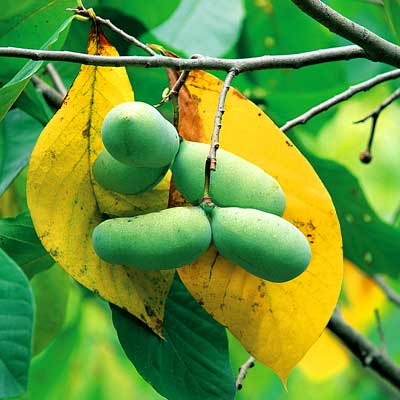
One of the best-kept plant secrets in North America is the pawpaw tree. This native fruit tree produces a custard-like fruit with tropical flavors similar to banana and mango, making it increasingly popular among gardeners and homesteaders.
Beyond its delicious fruit, the pawpaw tree supports biodiversity and wildlife. It pairs beautifully with native trees like the Persimmon Tree, creating a balanced and thriving ecosystem.
Tips for Growing Pawpaw Trees Successfully
Pawpaw trees thrive in the eastern United States in rich, well-drained soil with a slightly acidic pH of 5.5–7.0.
Key Growing Tips
- Plant in sheltered areas protected from strong winds
- Provide shade for young trees during the first two years
- Ensure soil drains well—avoid standing water
For reliable results, consider planting nursery-grown trees from TN Nursery.
How to Plant Pawpaw Trees
Planting pawpaw trees takes patience, but the tropical foliage and fruit make it worthwhile.
Planting Steps
- Plant in early spring or late fall
- Dig a hole twice the width and depth of the root ball
- Amend soil with compost
- Position the root collar slightly above soil level
- Water deeply and keep soil moist during the first season
Mature trees can reach up to 25 feet tall and produce fragrant flowers followed by fruit in late summer.
Pawpaw Tree Care and Maintenance
Essential Care Tips
- Watering: Keep soil moist but not soggy
- Mulching: Retains moisture and suppresses weeds
- Fertilizing: Use balanced fertilizer in early spring
- Pruning: Remove dead or crossing branches in late winter
Pawpaws are generally pest-resistant but benefit from proper airflow and spacing.
Pawpaw Tree Varieties
- Sunflower: Cold-hardy and partially self-fertile
- Overleese: Known for smooth texture and flavor
- Susquehanna: Produces rich, large fruit
Planting multiple varieties improves pollination and fruit production.
Pawpaw Fruit Benefits
Pawpaw fruit is rich in antioxidants, vitamins A and C, and essential nutrients. It supports digestion, boosts immunity, and provides natural energy.
Designing an Edible Landscape
Pawpaw trees create a tropical look with large leaves and attract wildlife. Pair them with native plants and flowering species to support pollinators.
Landscape Tips
- Layer trees, shrubs, and groundcovers
- Add pollinator-friendly plants
- Plant near other native species for best results
FAQs About Pawpaw Trees
What is a pawpaw tree?
A native North American tree (Asimina triloba) producing tropical-flavored fruit.
Where do pawpaw trees grow?
They grow in eastern U.S. woodlands and riverbanks.
How long until they bear fruit?
Typically 4–8 years, depending on conditions.
Do you need two trees?
Yes, cross-pollination is required for fruit production.
Where can you buy pawpaw trees?
Healthy nursery-grown trees are available at TN Nursery.
Pawpaw Tree Growth and Characteristics
Pawpaw trees (Asimina triloba) grow 15–30 feet tall with large tropical leaves and purple-brown flowers. They thrive in USDA zones 5–9 and prefer partial shade when young.
Pollination and Fruit Production
Pawpaw trees rely on flies and beetles for pollination. Plant multiple trees or hand-pollinate to improve yields.

Ecological Importance
Pawpaw trees support wildlife including birds, raccoons, and butterflies like the zebra swallowtail. Their roots help prevent erosion and improve soil health.
Challenges in Growing Pawpaw Trees
Pawpaw trees require patience, proper pollination, and consistent moisture. They are sensitive to root disturbance and slow to establish.

Companion Plants for Pawpaw Trees
Final Thoughts
Pawpaw trees are a unique and rewarding addition to any landscape. With proper planting, patience, and care, they provide tropical-flavored fruit, support wildlife, and enhance biodiversity.
