
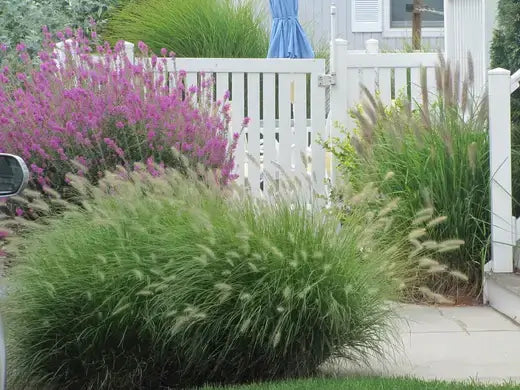
Growing grass can be one of the more rewarding endeavors as it can be used for aesthetics‚ useable real estate‚ or a project that a person manages and sees succeed․ A green expanse of lawn can add to the beauty of your neighborhood and provide a wonderful space for children and family to play or to relax after a day at work․ But a green carpet doesn't just happen․ Growing grass that thrives in the temperate climate of Tennessee and in the different soil types across the state is more than just a job․ Understanding the science of grass will help homeowners and gardeners understand how to have a healthy lawn while benefiting the wildlife and environment in the community․
Soil Preparation Techniques
Before you can successfully grow grass‚ you will want to till the soil․ The soil in Tennessee varies from rocky hillsides to rich valley soil‚ and getting the soil tested is a good first step․ A soil test can help determine the pH and nutrient levels of the soil‚ determining whether any amendments are needed to make the soil ideal for grass roots․ A common way to improve the soil is to add organic matter (such as compost or aged manure) to give the soil better drainage‚ more oxygen‚ and more nutrients․ Tilling the soil to a depth of 6 inches (15 cm) provides aeration and moisture to penetrate and loosen the soil‚ easing germination of seeded plants․ Final leveling and smoothing of the tilled soil provides a surface on which seeds may be sown or sod laid‚ and ensures that no low areas will remain where water may collect․
Successful pest control is important‚ particularly in the hot-weather climate of Tennessee‚ where disease and insect pests can severely impact a healthy lawn․ Grubs or armyworms can damage grass and stunt its growth․ Integrated pest management is also an option; early detection of pest problems‚ or the use of organic controls such as neem oil or insecticidal soaps‚ may be effective․ Encouraging the predators of these pests‚ such as birds and insect-eating insects‚ may help to control their populations․ Well watering and fertilizing lawns regularly can help decrease the susceptibility of the grass to an infestation․ Regular patrols allow quick action when problems arise and help to maintain the lawn as a paradise rather than a battle-scarred field․
Ideal Climate Conditions
As is expected given the climate‚ summers in Tennessee are hot and winters are usually mild․ Cool-season grasses grow best during the cool season of fall and spring‚ while warm-season grasses grow best during the long and hot summer months․ Learning about the grasses that grow best in your area can increase your chances of a healthy lawn․ Fescues and Kentucky bluegrass do best in cooler months․ Bermuda grass and Zoysia grass prefer heat․ Knowledge of weather patterns and the seasons when the grass is best able to grow and establish itself is essential to help the gardener plant the seeds of grasses at the best time to help them establish good roots prior to the season's heat‚ and adjust practices to the weather․
Sunlight is another key factor for growing or maintaining a healthy lawn․ Different types of grass need different amounts of sunlight‚ and the amount of sunlight your lawn gets will also dictate what grass is best for your location․ Grasses such as Bermuda are known as full sun grasses and require from six to eight hours of sunlight a day‚ while shade tolerant grasses such as fine fescue will survive in less․ When choosing grasses to grow in a lawn‚ the location of the lawn‚ as well as shadows cast by trees and buildings‚ play a role in the viability of grass types‚ with sunny locations supporting denser lawns․ A thick‚ well-developed lawn will inhibit the growth of weeds‚ and good sunlight will help to ensure the development of a dense lawn and the concurrent reduction of weeds․
Mowing Practices for Healthy Growth
After the grass has been established‚ regular mowing will help maintain the grass and make it grow thicker while helping to decrease weeds․ The most important rule is to mow off no more than one third of the grass blade in any one mow․ This will keep the grass healthy and enable it to grow strongly․ The correct mowing height depends on the species․ For example‚ Bermuda grass should be kept short while for other grasses‚ such as fescue‚ the blade can be longer․ Regular lawn mowing with sharp blades provides a clean cut‚ decreasing stress and disease․ Regular mowing promotes lateral growth‚ resulting in a thicker and healthier lawn that is less susceptible to pest problems and drought conditions․
The secret of a good Tennessee lawn is planning and maintenance‚ attention to soil preparation‚ pest control‚ climate‚ light‚ and mowing․ With planning and care‚ anyone can have a beautiful and sustainable lawn in Tennessee․ With a little effort and some love and care‚ it can be enjoyed in the years to come as pieces of plush green grass become part of your home․ Whether it's for the kids to play on‚ a place to relax or just the fun of the process itself‚ growing a lawn can be a rewarding experience․


