
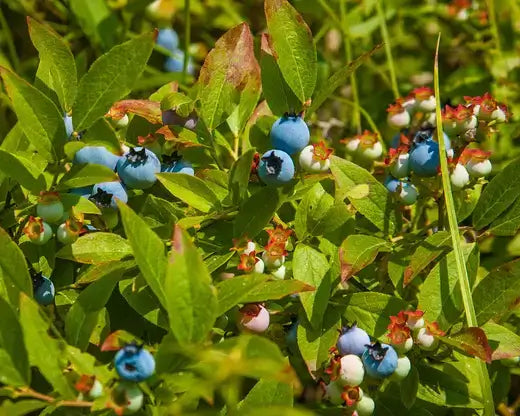
After the first couple years of establishing your blueberry bush‚ there are so many reasons that growing blueberries is worth it․ Blueberries are an enjoyable fruit to grow with their beautiful foliage and flowers․ Blueberry culture does require some knowledge about what to do with your soil‚ how much and when to water and fertilize‚ how and when to control pests‚ and where you should plant your blueberry bushes․ But when you do‚ you can expect that healthy bushes will produce fruit year after year․ This essay will describe the basic principles of caring for blueberry bushes‚ and will help any aspiring gardener to produce their own patch of blueberries․
Soil
The first and most important step to take when starting a blueberry bush is to choose the right soil․ Blueberries like acidic soils that range between 4․5 and 5․5 in pH․ Organic amendments‚ such as peat moss and pine bark‚ may be mixed into the potting medium to improve the soil quality․ These amendments can be used in the potting medium to decrease the pH and increase drainage and water retention for the plants․ Blueberries should be planted in sandy loam that has been amended with organic matter (organic fertilizer)․ Raised beds prepared this way encourage healthy root growth‚ and thus good yields‚ by allowing sufficient aeration‚ good drainage‚ and the retention of sufficient moisture and nutrients․
Watering
Another important part of blueberry bush care is establishing a watering schedule․ Once this is established‚ the blueberry bushes should be planted in soil that is perpetually moist but never too wet or too dry․ Often helpful methods include deep watering once per week (one or two inches of water weekly)‚ especially during growing season‚ and applying a layer of mulch‚ if possible‚ to conserve moisture‚ inhibit weeds‚ and help retain the acid character of the soil․ Visual monitoring for signs of moisture stress or dehydration may be helpful․ Because the blueberries are sensitive to changing moisture levels‚ monitoring the weather and adjusting your watering accordingly could result in healthier plants and better production levels․
Controlled fertilization optimally feeds your blueberry bush․ Blueberries are light feeders so you should be careful about overusing fertilizer on your berry plants․ A balanced‚ slow-release fertilizer for acid-loving plants applied as directed‚ once per year‚ can greatly improve growth and fruiting․ The best time to fertilize is early in the spring before the plant begins its annual growth cycle․ It is also important not to over fertilize blueberry bushes as over fertilizing will cause blueberry bushes to grow many leaves but bear no berries․ As you look at bushes responding to these things‚ you can tell what is the optimum amount of fertilizer․
Pests
Pest control may be one of the most frustrating aspects of blueberry production‚ despite the care that is given to obtaining the highest quality fruit․ An organic approach is generally the best method to control common pests such as aphids‚ spider mites‚ and fruit flies․ Regular inspection of the leaves and fruit will mean that those pests will be seen before they become established and introducing predators such as the ladybug will keep them in check․ In extreme cases‚ you can use‚ if needed‚ an organic insecticidal soap or neem oil as a pesticide to kill the insects while protecting the plant‚ allowing you to enjoy the fruits of your labor without needing to use pesticides that could compromise your health or the environment․
Growing blueberries is all about location and a sunny position is essential as blueberries grow best in full sunlight where they receive at least six to eight hours of sunlight a day․ Air circulation is also important to prevent disease‚ especially in humid conditions‚ so do not choose a spot hidden in a garden corner‚ or where frost is slow to melt in the spring․ You may also wish to try growing your blueberries with other acid loving plants such as azaleas or rhododendrons‚ whose ecosystems can be likewise helpful to a blueberry bush․
The Ultimate Guide to Blueberry Bush Care teaches that any gardener with the will to create the conditions needed will be rewarded with a fruitful blueberry bush․ Adequate soil conditions‚ water and fertilizer management‚ pest control‚ and the proper amount of light and circulation will transform a simple gardening activity into something many would aspire to․ Yes‚ for us‚ there is nothing like a handful of those plump‚ juicy blueberries after months of care․ It's a celebration not only of the fruits of our labor but also of our relationship with our plants․ With time‚ knowledge and a little love‚ blueberry bushes can become a feature of your garden for many years to come․


