
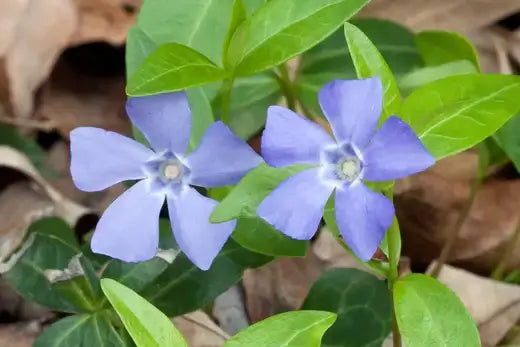
On this day‚ garden and landscape restoration occurs all over the world since ground covers and climbing vines can play an important role in the success of the landscape․ The sprawling tendrils and dense foliage of these plants form a mosaic of color and texture that delights the senses․ Ground covers are low-growing plants that spread out to cover bare earth that might show through the spacing between garden plants‚ whereas climbing vines grow on a vertical axis․ Vines can be an eye-catching element in a garden if climbing plants are used on a vertical support such as a fence‚ trellis‚ or arbor․ They are also important as part of the ecology of a region‚ and recognition of the value of these plants for reasons other than their beauty is part of what makes people want to save them․
The main virtue of the ground covers‚ in addition to being decorative‚ is the ability to control weeds: the vigorous growth of the ground cover can out-compete weeds for resources․ Less time is spent weeding‚ and more time enjoyed in the garden‚ when ground covers are cultivated․ Ground covers can also help to keep the soil moist which lowers the amount of time that must be spent watering plants; this is particularly useful in dry areas․ In addition‚ many varieties are useful for erosion control and improving soil structure‚ for their abundant root systems offer protection to the soil on which the ground cover is growing and even encourage other plants to develop roots․ Ground covers can be an important part of a landscape and add to its beauty and ecological function․
Climbing Vines
If climbing is on your wish list‚ annual vines such as sweet peas or morning glories provide ample color to drab sites․ Simply plant them along a wall or trellis and enjoy these vigorous vines that flower heavily‚ providing instant green walls on an otherwise ordinary wall․ More customary in appearance‚ the flowers of wisteria and climbing roses are sweetly scented and can cover a whole garden in fragrance․ Other varieties of evergreen plants‚ including ivy and jasmine‚ could be used to cover the walls with green foliage year-round․ With a little knowledge of the various types of climbing vines‚ every gardener can find just the right type of climbing plant for their own gardening situation and personal taste since every climbing vine has its own specific characteristics in terms of growth‚ care and maintenance․
Soil Erosion
Soil erosion is considered one of the most serious environmental problems of modern times‚ and has detrimental effects on both human agriculture and the environment․ Ground covers and climbing vines can be planted to prevent soil erosion․ These forms of vegetation help to anchor soil with their root systems․ This creates a mat of roots‚ which holds soil in place to prevent it being washed down mountains and into valleys during heavy rains․ It also protects the soil from being beaten by raindrops or strong wind‚ which can also cause wind erosion․ In the landscape‚ the plants can be used as a step towards more sustainable practices‚ including improving the quality of the soil‚ soil conservation‚ and soil erosion measures․
Ground cover and climbing vines also have value as habitat for numerous varieties of wildlife‚ including birds‚ insects‚ and small mammals‚ in urban and rural environments․ Most flowering vines produce flowers as a major source of food for bees‚ butterflies and other pollinators‚ an important element of their life cycles․ Ground covers and other vining plants with dense foliage also provide nesting opportunities for birds and small mammals‚ and may help to maintain ecological balance․ Through planting these species‚ gardeners can serve as an important part of the conservation effort to save both species and ecosystems․
Maintenance
Like most plants with which we work as gardeners‚ vining plants can take a little effort to understand and a little effort to care for․ While some climbing vines do just fine with little to no assistance‚ many require regular pruning to keep them growing in the right direction․ Pruning allows greater air circulation and penetration of sunlight‚ thereby discouraging disease․ For some types‚ staking or trellising can foster their climbing habit and improve their visual impact․ Regular watering and fertilization will also support their growth‚ ensuring that these vines contribute fully to the garden's charm․ By engaging in proper care routines‚ gardeners not only help safeguard the health of their plants‚ but also improve their vibrancy․
The role of ground covers and climbing plants in the landscape is much wider than this‚ however‚ as they help to stabilize the soil‚ encourage biodiversity‚ increase wildlife‚ and improve the soil quality․ There are many varieties of ground covers and climbing plants available‚ which can improve the beauty‚ texture and vitality of our gardens and green spaces and help to create a rich living environment for both people and wildlife․ Ground covers and climbing vines do more than add beauty to the garden; they connect us as people to the way we should live with nature‚ and with ourselves․


