
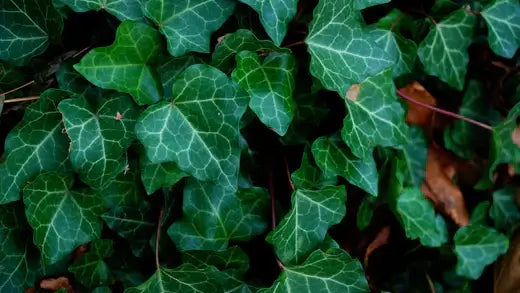
English Ivy (Hedera helix) is a very hardy and adaptable plant that is very much in use by gardeners indoors and outdoors․ Its trailing vines and glossy leaves make it an attractive and popular addition to any garden․ Whether you are a seasoned plant parent with a bunch of plants or new to growing plants‚ learning how to care for English Ivy will not only help you become a better gardener but also beautify your surroundings․ In this article‚ we will discuss how to propagate‚ fertilize‚ repot and take care of your English Ivy to ensure it thrives in your care․
How To Grow English Ivy
Before you can grow English Ivy‚ you need to know how to propagate it․ There are many easy ways to propagate new English Ivy plants from existing plants․ One of the easiest ways to propagate is to take cuttings․ To do this‚ cut a healthy stem four to six inches long with two or three leaves on the end․ Place this cutting in a cup of water‚ where it will develop roots within a few weeks․ The leaves at the bottom of the cutting should be submerged in water‚ while the top leaves should be above water․ When this happens‚ the new plant can be planted in the ground‚ or soil propagation may be done by placing cuttings in a well-draining potting mix․ Keep the soil moist but not soggy until the first signs of new growth appear‚ indicating that propagation was successful․ Either method has its merits‚ and you may prefer one over the other for propagating ivy․
After propagating English Ivy‚ you'll want to ensure you have fertilized your ivy plant properly to aid in growth and sustain the plant with nutrients that may be lacking in the soil․ A general-purpose liquid fertilizer diluted to half strength‚ during the growing season‚ which is usually spring through early summer‚ is usually adequate fertilization․ Fertilizing every four to six weeks during this period is sufficient․ Over-fertilization can cause the build-up of salts in the soil‚ which is ultimately detrimental to the plant․ Since growth slows during winter‚ it may be a good idea to cut back on or completely stop fertilizing while the ivy is dormant․ If you notice yellowing leaves or other signs that the ivy is lacking in nutrients‚ the plant may need more nutrients or different care․
Repotting English Ivy
Another important part of caring for your English Ivy is repotting at the right time and in the right manner․ Young plants grow rapidly‚ so eventually‚ they will have outgrown their pots and need to be repotted․ Repotting should be done once a year‚ or when roots are seen coming out of the drainage holes․ When this occurs‚ a pot that is only a single size larger than the previous pot should be used․ Fresh potting soil with good drainage should be used when repotting․ Repotting provides more room for the plant's roots to grow and provides it with fresh nutrients to absorb․ After repotting‚ it is best to water the plant well and keep it in one place for optimal growth․ Repotting is a good time for your English Ivy to start over and grow into a new‚ healthy plant․
English Ivy needs to be watered thoroughly and consistently in summer‚ but it must never be overwatered‚ as seasonal care can be dramatically different: in summer‚ the plant needs ample water as needed for lush growth․ When it gets colder in autumn and winter‚ you should water the plant less often․ A low humidity level can cause dry leaves‚ among other problems․ Another recommendation is to keep your ivy closer to the heaters during the colder seasons (not too close‚ as this may stress the plant) so that the gardener can give more special care to the ivy so that it can be as healthy and colorful as possible throughout the year․
Light Needs For English Ivy
Light requirements for English Ivy are very important‚ and are also somewhat flexible: English Ivy will grow in several different lighting situations‚ although the plant prefers bright indirect sunlight‚ similar to the light that would be present in the forest where English Ivy grows wild‚ in dappled sunlight․ It can tolerate lower levels of illumination‚ making it a good choice for indoor spaces or shaded gardens‚ although in full sun it will need to be protected from scorching․ Another helpful tip is to rotate the plant․ Although the ivy can lean to the light‚ it makes sense to rotate the plant a bit so that the plant grows evenly․ Observe your plant's response to different lighting conditions to determine whether it prefers more or less light for optimal growth․
In summary‚ when you know how to properly propagate‚ fertilize‚ re-pot‚ take care of‚ and provide lighting for your English Ivy‚ you can successfully cultivate it in your home․ Following the processes described above ensures you will create a thriving and happy plant․ Because of this‚ there is nothing more beautiful than being able to lend nature to your home in the form of beautiful vines and luxuriant leaves․ The ivy will grow in the way that you decide‚ and in return you will get an oasis of greenery wherever you want․ Happy gardening‚ and may your English Ivy flourish for many years to come!


