
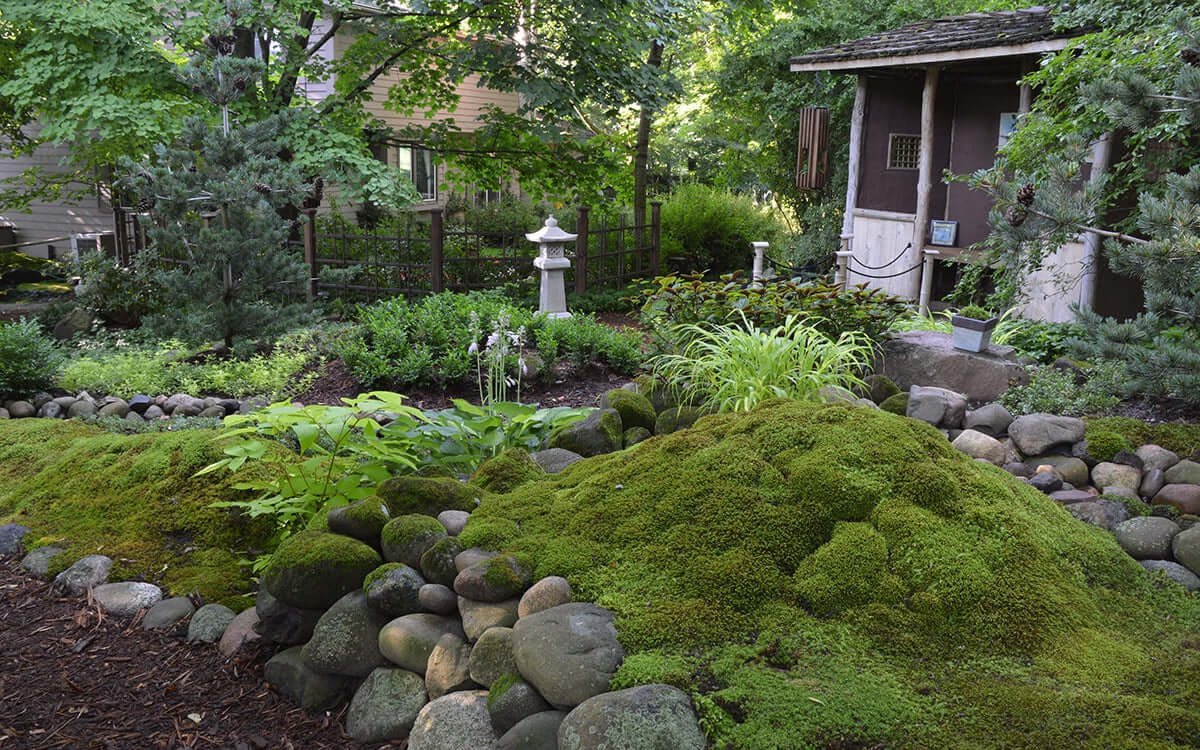
The Easiest Mosses to Grow: A Complete Guide to Tennessee Gardens
The three easiest to establish in Tennessee and throughout the Southeast are fern moss‚ hair cap moss‚ and lawn moss‚ because they tolerate our varying humidity and clay soils better than many other finicky mosses․ If you have a shady spot or a north-facing foundation or‚ like me‚ a spot in your yard that puddles a little when it rains‚ consider a moss․ It could solve a problem you’ve been trying to fix for years․
Moss is not grass‚ and treating it like grass is the fastest way to kill it․ Moss has no roots․ Instead‚ its root-like structures‚ or rhizoids‚ anchor the moss to soil‚ tree bark‚ or wet rock and moisture and nutrients are absorbed through the leaves․ For gardeners‚ this is good news as moss does not absorb nutrients from the soil like turf grass or flowering perennials and once established‚ requires no maintenance whatsoever․
Why Moss Works So Well in Tennessee Gardens
Middle and East Tennessee have USDA zones 6b through 7b and also have humid summers and mild‚ wet winters like the forest floors where moss grows․ Even in West Tennessee where the climate is relatively mild (USDA zone 7b-8a)‚ you will still need to provide afternoon shade․ The 45-55 inches of rainfall the state receives will be plenty to keep the moss happy once it has rooted in․
The catch is shade and acidity; mosses don’t like alkaline soils‚ and generally like a pH of 5․0 to 6․0‚ a pH characteristic of most of Tennessee’s clay soil in woodland areas․ A $10 soil pH test kit from any garden center will determine whether the pH of the soil is lower or higher than 7 (neutral) within a few minutes․ Areas with high oak or pine tree cover are the most likely to be acidic and grow moss naturally․
Fern Moss (Thuidium delicatulum)
It is known as fern moss because the leaves are fernlike as seen through a hand lens‚ and the side branches are feathery‚ appearing to come off the stem․ The color varies between a flamboyant yellow-green in heavy shade‚ and a dark green in partial sun‚ and when established‚ the grass is thick and velvety‚ and is comfortable to walk on barefoot․
Easier to establish than most other mosses‚ it tolerates short periods of dry better than others‚ and it does not sulk if you miss a watering in a Tennessee dry spell in July․ It is best grown from dappled to full shade and should be kept reliably moist for three or four weeks until the rhizoids have become established․ Water should be sparingly used during dry times․ A 10-by-10-foot (3․0 by 3․0 m) plot can take anywhere from six to twelve months to be covered‚ depending on moisture and shade conditions․
Fern moss grows by fragmentation‚ meaning that it can be established from parts of itself that have broken off․ It can be spread easily by simply pulling off pieces and pressing them into bare dirt elsewhere in the bed․
Hair Cap Moss (Polytrichum commune)
Hair cap moss is also visually distinct from most mosses․ Hair cap grows in upright‚ tufted stems․ In contrast‚ fern mosses grow in carpet-like‚ flat growth patterns․ Hair cap moss can grow two to four inches (5․1 to 10․2 cm) tall․ Its needle-like leaves have brownish red or brown tips․ With colonies several years old‚ hair cap moss does not form a smooth mat but appears somewhat bristly․
It’s extremely tolerant: hair cap moss tolerates poorer soil with less water than fern moss‚ short periods of drought and more direct sunlight․ Fur or fungus‚ which seem to plague many of the other groundcovers‚ do not affect it․ You never have to spray anything on it․ Just plant it in acidic‚ well-draining soil‚ in partial shade‚ and water it in well for the first two weeks‚ and then from then on it’s pretty much just let it do its own thing․ It spreads more slowly than true fern moss‚ needing a year or more to form a dense mat‚ but is more durable․
It can be used to compliment stones‚ the edges of trees‚ or possibly around the edges of a shade garden bed‚ due to its height and texture‚ but not as a lawn replacement․
Lawn Moss
The term ““lawn moss”” refers to a group of mosses which grow very densely low to the ground‚ and which are used to cover the ground instead of turf (sod) grass․ The most common types of lawn mosses are usually of the species Bryum or Hypnum․ They are often used in place of grass in the shade‚ where grass does not do well․
Moss lawns create a dense mat of turf․ It typically grows to less than one inch in height‚ and is usually green or bright emerald-green to olive-green‚ depending on the amount of sunlight and season of the year․ Moss does not need regular mowing or fertilizing‚ two of the most demanding chores of regular turf maintenance․ It is sensitive to dry weather while establishing and should be watered daily to every other day for the first month of growth when rain is not regular․
One thing to keep in mind is that lawn moss is not turf grass․ It is not designed to be walked on‚ so while occasional foot traffic will not harm it‚ a heavily traveled path could wear it down․ If your moss lawn needs foot traffic‚ you might want to add stepping stones through the planting to trap foot traffic to a few paths․
Getting Moss Established: What Actually Works
The most common method you will see advocated is to create a ““buttermilk and moss slurry””‚ but it is messy‚ uncertain‚ and takes longer than simply transplanting patches and plugs into prepared soil‚ after removing leaves‚ weeds‚ and debris‚ and ensuring that the moss is pressed into contact with bare soil (moss won’t root if placed on top of the soil)‚ then watering well․
The area should be kept wet (but not flooded) for the first three or four weeks‚ as this is the period in which the rhizoids that will anchor the moss to the surface form․ After this‚ the moss is remarkably self-sufficient‚ needing additional water only during prolonged dry spells in mid-summer․
TN Nursery sells fern moss‚ hair cap moss and lawn moss as established patches that will give you a head start of weeks versus starting from spores or fragments․ If you’re going to put in a shade garden or you have a hard-to-mow area to replace with lawn this season‚ you should go with moss transplants and plant them before the summer heat sets in․
Moss is more about patience than about effort․ Give it the right shade‚ the right moisture window‚ and the right pH in the soil‚ and it will take over those spots where nothing else wanted to grow․


