
Essential Tips for Designing Beautiful Gardens
A beautiful garden is like a work of art - you should pick the colors and the strokes․ To someone just starting out‚ it might seem impossible to transform a patch of bare earth into a beautiful oasis․ But with a little guidance and a bit of imagination‚ budding gardeners can create a beautiful and peaceful garden that is truly a reflection of their personality․ Therefore‚ in this essay‚ I will provide some tips and tricks that can help beginner gardeners create their dream gardens․ I will discuss the importance of plant selection‚ design layout‚ color schemes‚ mulching‚ and creative container gardening techniques․
Plant selection is the first step in any successful garden․ For the new gardener‚ plants should be selected for their adaptability to the local climate and soil․ Native plants may require less maintenance and be more helpful to the local ecosystem․ If you are planting native flowers‚ try to plant flowers which bloom in different seasons‚ creating interest year-round in your yard․ Hardy perennials are also an option if you want growing features that return each year․ Annuals can also provide a burst of color each year‚ but knowing how much light your garden gets is useful․ Shade-tolerant plants can fill in the darkest reaches of a room‚ while their sun-loving cousins can fill in the brightest spots‚ and a mixture of the two produces a better environment for both the plants and the room's inhabitants․
Planning Goes a Long Way
Once you've chosen your plants‚ the second biggest thrill comes with planning your design․ A little planning can go a long way toward making a garden that is as practical as it is beautiful․ A rough-scale rendering of your garden plan may be a good place to start‚ based on the size and habits of the plants you wish to grow․ Raised beds may be a good idea for novice gardeners‚ as they are distinct spaces that are relatively easy to care for․ The creation of paths (for example gravel or stepping stones)‚ and the grouping of plants with similar water and light requirements (a technique known as companion planting)‚ can help the visitor navigate the garden․ You can have your garden in a straight row‚ as a curve‚ or as a winding path; the shape of your design is part of your garden․
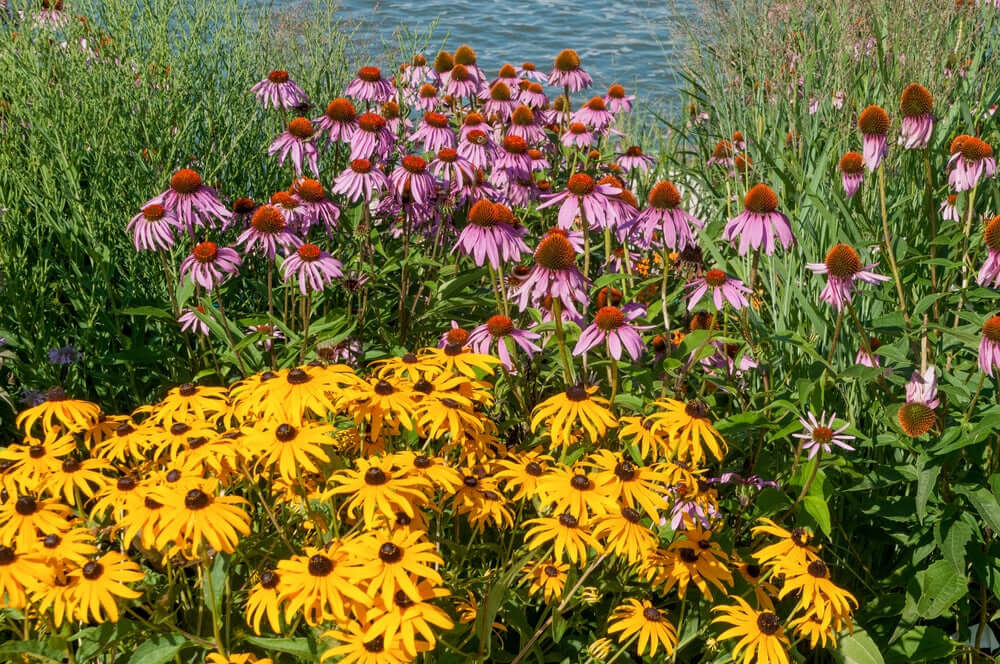
Color schemes can provide contrast and drama to a design‚ can evoke mood and atmosphere‚ and can lead the eye through the composition․ You may wish to consider the colors of the plants you choose and where you will position them․ Examples of color combinations are warm colors (yellow‚ red‚ orange) that give a more energetic impact to your garden or cool colors (blue and purple) that give a more relaxing impact․ You can also try using contrasting colors to add more contrast‚ and analogous colors to create more harmony‚ and you can add accents to your color palette to create some more color variation․ The color of decorative stones and garden ornaments can improve the color combinations in your garden and provide for a stunning visual expression that will appeal to the passerby and provide a feast for the eyes․
Why Mulching is Important
Mulching‚ a somewhat overlooked part of gardening‚ helps retain moisture in the soil‚ prevent weeds from competing with plants for nutrients‚ and‚ as it breaks down‚ adds organic matter to the soil․ Mulching around new plantings can be especially helpful to a beginner gardener‚ as it can help reduce the frequency of watering and weeding․ Mulch can also be a functional addition that improves the visual appeal of a house and its accompanying garden by providing texture and depth․ Decorative wood chips‚ straw‚ bark mulch‚ decorative gravel‚ etc․ all can be used to add to the aesthetics of your garden's design as well․ With a proper understanding of the facts regarding mulching practices‚ you will have a healthier‚ prettier‚ lower-maintenance‚ and easier-to-successfully-maintain garden․
Container gardening is ideal for people with limited space‚ as well as those who want to create garden designs that are personal and artistic․ Pots are available in multiple designs‚ sizes‚ and materials‚ which allows the novice container gardener to experiment with creativity․ Containers can be used to develop a color scheme or a floral theme‚ or different heights of plants can be combined in a single container․ Small containers can be used on a balcony or patio or indoors‚ to furnish a room․ Vertical gardening techniques such as mounted wall planters or tiered planters can be attractive solutions to use vertical space in small areas․ Container gardening allows new gardeners to experiment with and find combinations they prefer‚ while developing gardening skills․
In a nutshell‚ making a beautiful garden is the perfect way to channel your interest and creativity into something constructive․ From choosing the right flowers to creating a garden layout‚ understanding the various colors to figuring out the benefits of mulching to exploring container gardening‚ the possibilities are endless․ For beginner plant lovers‚ your garden is not just about plants․ It's about interacting with nature; expressing your emotions and personality; creating a life-affirming place that adds joy to the environment‚ nourishes the human soul‚ and puts a smile on people's faces․ So take on the challenge and see the rewards for yourself․ Whether you have the room for a big garden or a small one‚ it is a sight to behold․


