
New York Fern Complete Guide
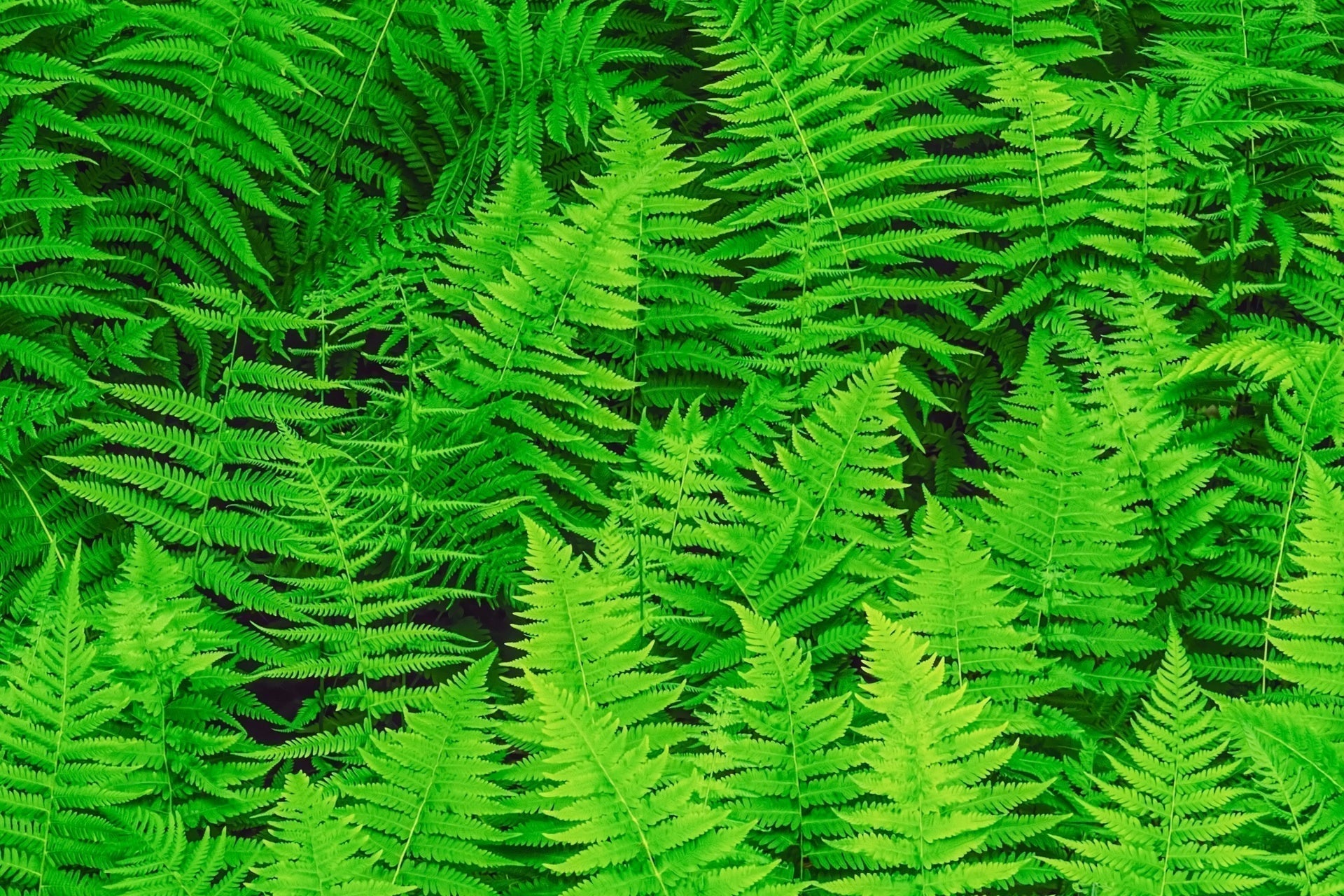
The New York fern is a favorite for enhancing shady landscapes. This native fern offers soft texture, light green foliage, and reliable performance in woodland gardens, making it ideal for naturalized settings.
Does New York Fern Spread?
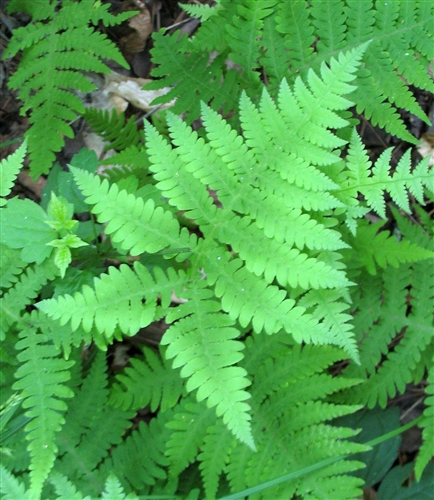
Yes, New York ferns spread through underground rhizomes, forming lush colonies over time. They are not invasive but are excellent for ground cover, erosion control, and filling shaded spaces.
New York Fern vs Other Ferns
New York Fern vs Lady Fern
New York ferns differ from lady ferns in several ways:
- Shape: Tapered at both ends vs wider middle
- Growth: Spreading colonies vs clumping
- Color: Light green vs darker green
- Texture: Smooth vs more lacy
New York Fern vs Ostrich Fern
- Size: 1–2 feet tall vs up to 6 feet
- Growth Habit: Ground-covering vs upright vase shape
- Texture: Fine and soft vs coarse and bold
Botanical Information
The botanical name is Thelypteris noveboracensis, and it is native to eastern North America, commonly found in woodlands, ravines, and shaded slopes.
Plant Size and Appearance
New York ferns grow 1–2 feet tall with delicate fronds that taper at both ends, creating a soft, airy, and flowing appearance that mimics natural forest floors.
Landscape Uses
Woodland Gardens
These ferns thrive under tree canopies and in shaded areas, adding a calm, natural look to woodland gardens.
Water Features & Natural Areas
They perform well near streams and ponds, helping prevent soil erosion while enhancing visual appeal.
Ground Cover Benefits
Their spreading habit makes them excellent for stabilizing soil and covering difficult shady areas.
Ferns are ideal for deer-resistant and low-maintenance landscapes.
How to Plant and Care for New York Ferns
Choosing the Right Location
Plant in partial to full shade, ideally in areas with filtered sunlight.
Soil Requirements
Use well-drained, slightly acidic soil enriched with organic matter such as compost or leaf mold.
Planting Steps
- Dig a hole slightly wider than the root ball
- Set the crown level with the soil surface
- Backfill and water thoroughly
- Add mulch to retain moisture
Watering
Keep soil consistently moist but not soggy, especially during dry periods.
Fertilizing
Apply compost or a slow-release fertilizer in early spring if needed.
Pruning
Remove dead or damaged fronds in early spring to encourage fresh growth.
Growing Requirements
Light
Prefers shade or dappled sunlight.
Moisture
Thrives in moist, well-drained soil.
Climate
Hardy across eastern North America in woodland environments.
Propagation Methods
Division
Divide clumps in early spring or fall for faster spread.
Spores
Spore propagation is slower and can take up to two years.
Pests and Diseases
New York ferns are generally resistant but may occasionally face spider mites, slugs, or fungal issues. Proper airflow and watering practices help prevent problems.
Ecological Benefits
These ferns help retain soil moisture, suppress weeds, and provide habitat for insects and small wildlife, making them valuable for sustainable landscapes.
Benefits of Growing New York Ferns
Low Maintenance
This fern requires minimal care once established.
Versatility
Suitable for woodland gardens, shaded borders, and natural landscapes.
Longevity
With proper care, these ferns will thrive for many years.
Final Thoughts
New York ferns are an excellent addition to shaded gardens, offering natural beauty, erosion control, and ecological benefits. Their adaptability and graceful appearance make them a reliable choice for both beginner and experienced gardeners.
New York fern is a smart choice for creating a lush, low-maintenance woodland landscape.


