
Impact of Color on Behavior
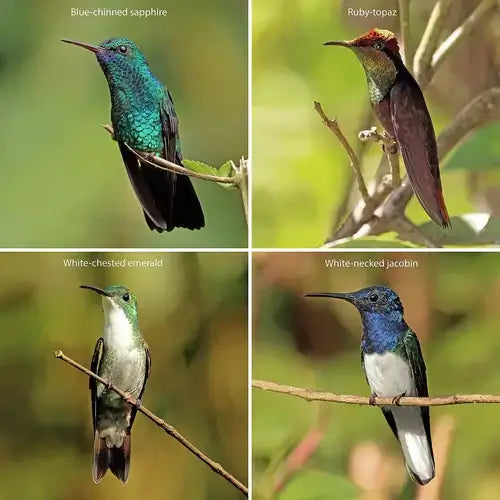
Color and its effects have not just aesthetic and decorative importance‚ but can also be of major importance to the survival of species․ In the case of species that use color to communicate‚ the example of the hummingbird is of particular interest․ The most recognizable features of the tiny‚ brightly colored hummingbirds are their extraordinary iridescence and an even more varied array of colors ranging from every hue of green to blue‚ red‚ and orange including all imaginable shadings in between․ But‚ what do hummingbirds like to see? This question lies at the heart of an investigation into the role of color in the lives of these beautiful birds‚ as well as the world they inhabit and the cultures of humankind․
In general‚ animals' color vision is advanced․ In the specialized case of hummingbirds‚ their five classes of color receptor (including ultraviolet) compare to the human trichromatic system‚ which has three classes․ Because of this increased visible range‚ hummingbirds are capable of discerning between these colors or wavelengths in a manner in which the human eye could not․ Therefore‚ a hummingbird's favorite color could be dissimilar to what humans see as a color but could be useful for their feeding purposes․ The breadth of the color vision range allows foraging and social interactions to be eased and shows the important role of color as a cue for location of food and mates․
Cultural Meaning of Hummingbird Colors
Hummingbird colors possess another meaning․ The green color of their feathers that is common with all species is a symbol of life and regeneration․ Because they can be found everywhere - there is no shortage of green plant life to provide food․ The blue color is usually a symbol of peace and could represent the time in the life of a hummingbird when it is peacefully hovering․ Red and orange are often described as the colors of high energy and passion‚ behaviors that are also popular in the hummingbird's quicksilver existence․ The bright coloration of the plumage of hummingbirds has been described as a signal of health and physiological fitness‚ and may serve to attract the attention of other birds․
Not only can hummingbirds see colors‚ but color also serves as an attractant to them․ As pollinators‚ their natural instinct would be to respond positively to certain colors as they recognize that certain colors signify the presence of food items (i․e․ nectar)․ As bright colors such as red and pink are correlated with flowers that produce nectar attracting pollinators‚ the wasp-like organism displays a preference for images filled with such colors․ Such a trait would increase the hummingbird's fitness and pollination‚ which is important to almost all ecosystems․ Thus‚ the relationship between color perception and behavior is not just a matter of perception‚ but a complex interplay of survival and balance of natural systems․
Many plants depend on pollination in their life cycle․ Over many generations‚ plants have evolved to use a hummingbird's attraction to color in order to have that bird pollinate their flowers․ Besides buzzing its wings‚ the hummingbird can attract attention with its plumage‚ and many angiosperm species have evolved flower colors attractive to it․ Furthermore‚ these birds transport the pollen on their feathers from flower to flower‚ making it possible for flowering plants to cross-pollinate‚ and indicating coevolution of hummingbirds and flowering plants for the mutual benefit of both․ In turn‚ hummingbirds benefit from this phenomenon‚ since they are able to exploit an available source of food‚ at the same time being highly active and vital․
Symbolism of Hummingbird Colors
Hummingbirds and their colors have cultural symbolism for both humans and many Indigenous peoples․ They are often associated with love‚ joy‚ and resilience․ In music‚ art‚ folklore and vernacular‚ the birds are often depicted as symbols of joy and the transience of life․ The birds are frequently associated with the colors green and red‚ symbolizing growth‚ guardianship and vivacity․ Hummingbird images have been a prominent element of decorative art and a symbol to represent the relation of the natural world to the human spirit․
So‚ although we will most likely never know what the favorite color of a hummingbird is‚ the knowledge that we have about colors‚ how a hummingbird sees things‚ and even about the presence of colors in their interaction with plants and different human cultures‚ provides us understanding into philosophies behind nature and life․ The world of hummingbirds in terms of color goes beyond pure beauty․ Instead‚ their life and their world are shaped by the colors they display‚ as well as their interactions with their habitat and the humans who observe them․ As we admire the many colors of the hummingbird‚ let us keep in mind the meaning and the importance of those colors‚ as well as their importance to the fabric of life․


