
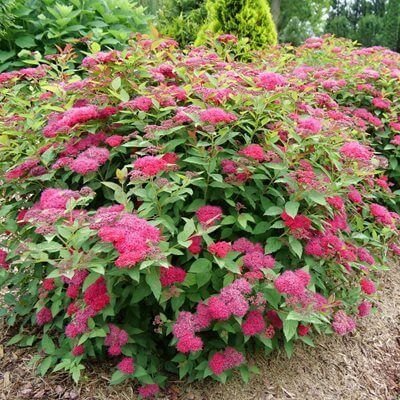
The 5 Best Shrubs for Landscaping in Tennessee and the Southeast
If you need a tough shrub that will handle both hot‚ humid summers and freeze-thaw winters in Tennessee‚ try Lilac‚ Rose of Sharon‚ Arrowwood Viburnum‚ Oakleaf Hydrangea‚ or Azalea․ All of these work well in Tennessee's Zone 6b-7b climate‚ and they all can do something different for your property‚ whether it's provide privacy‚ extended blooming color‚ wildlife food‚ or architectural structure․
But shrubs do the heavy lifting in a landscape․ It takes a tree decades to mature‚ and moving a tree is costly․ Shrubs fill that gap․ They give you height‚ screening and color in just a few years‚ and‚ if you've planted one in the wrong place‚ you can usually just dig it out and move it without too much trouble․ This is especially helpful for getting a sense of how sunlight moves around your yard․
Lilac Shrub
One of the best shrubs for the Upper South is common lilac (Syringa vulgaris)‚ which‚ like many of its relatives‚ will bloom best when exposed to a true winter․ If you live in the higher elevations of East Tennessee or any Zone 6‚ you might expect better blooms than if you were in a more southerly area in Zone 8․
The vertical furrowed‚ smooth‚ greyish brown bark is surrounded by oval‚ opposite‚ and somewhat clustered leaves that tend to grow in pairs or‚ at times‚ threes․ The lilac has showy clusters or panicles of flowers that vary in color from pale lavender to a deep purple․ The flowers are very fragrant and can be smelt several hundred yards (or meters) away on a still spring evening․ Lilac plants are 20 feet (6 m) or more‚ but typically are pruned and covered at a height of 8 to 10 feet depending on the variety․
Best planted in the fall or very early spring in rich‚ well-drained soils with a neutral to slightly alkaline pH․ If grown in the very acidic native Tennessee clay soil‚ lime will have to be mixed into the hole it is planted in․ Prune plants after flowering‚ since flower buds for the next year are set soon after flowering has ceased․ Expect butterflies and bees in the first year․
Rose of Sharon (Red Hibiscus)
Also sold as Hibiscus syriacus‚ one of the best flowering shrubs for southern gardens in summer․ Grows 8 to 12 feet (2․4 to 3․7 m) tall in Tennessee in clay‚ sandy, or rocky soil‚ as long as the drainage is good․
The Rose of Sharon's flowers open daily in a wave from summer to early fall․ Each flower lasts one day and is replaced by a new bloom․ The flowers of red cultivars are 3 to 4 inches (76 to 102 mm) across with golden or orange throats and show more similarities to a double hibiscus flower than the typical five-petaled flower․ The alternate leaves are dark‚ glossy‚ toothed‚ maintaining the neat habit of the shrub even when not in flower․
Once established‚ after one growing season‚ Rose of Sharon is more drought-tolerant than many flowering shrubs․ It is suitable for locations close to driveways and foundations where heat is reflected off pavement or brick․ Water deeply and once a week during the first summer‚ and only occasionally during dry spells thereafter․
Arrowwood Viburnum
Arrowwood Viburnum is a native species of Eastern North America‚ and will tolerate USDA Plant Hardiness Zone 2‚ so Tennessee winter is no worry․ Mature plants reach between 6 and 15 feet tall‚ but with full sun and rich soil‚ it is not uncommon for Arrowwood Viburnum to exceed 15 feet in height․
It is a low maintenance plant that tolerates loam‚ clay and sand‚ and is relaxed to soil conditions‚ slightly acid to well drained‚ full sun to fairly heavy shade․ Flat clusters of white flowers about 3 inches across cover the shrub in spring‚ and blue-black berries cover it in fall․ Songbirds strip the berries in about three weeks․ If you want cardinals‚ robins‚ waxwings‚ and other birds to visit your yard‚ this shrub does more of that work than almost anything else on this list․
The Arrowwood Viburnum achieves full height in five years and can live for over 50 years with minimal pruning and care‚ which can include an occasional thinning cut in late winter․
Oakleaf Hydrangea
One that didn't make too many lists‚ but should have‚ is native to the Southeast and built for Tennessee's climate․ Oakleaf Hydrangea (Hydrangea quercifolia) is 6-8 feet tall with large course leaves resembling those of the oak‚ hence the name․ But in autumn the looser‚ courser leaves turn a deep red-orange-purple that on few other members of the hydrangea family's color wheel can be seen․
The cone-shaped white flower clusters appear in early summer‚ and turn dusty pink as they dry on the shrub during the summer․ The dried flower clusters are suitable for use in flower arrangements․ The species tolerates more shade than bigleaf hydrangeas‚ and will not sulk during a week-long drought․ It may be planted in partial shade with morning sun․ Mulch to retain soil moisture․ Prune‚ immediately after flowering‚ as it blooms on old wood․
Azalea
No list of Tennessee landscapes is complete without azaleas․ They tell you that it's spring in Tennessee․ In April‚ the hills of East Tennessee are covered with them․ Azaleas are often compact‚ ranging from 3 to 6 feet (0․91 to 1․83 m)‚ depending on the variety‚ and are often used as a foundation planting‚ woodland border‚ or massed along a fence․
They grow on acidic‚ well-drained soils in dappled shade․ In the high heat of a Tennessee summer afternoon‚ the bright-green leaves can be scorched by too much sunlight․ The white‚ pale-pink‚ magenta, and red flowers bloom in spring for 2-4 weeks․
"

