
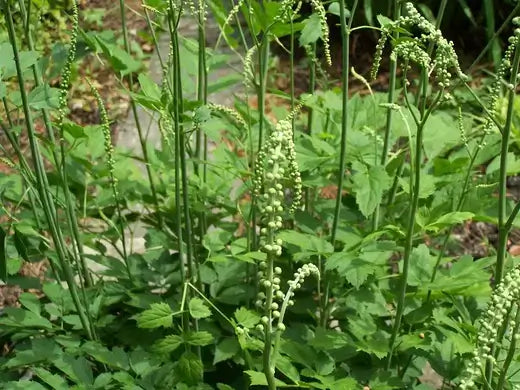
Black Cohosh‚ a flowering herbaceous perennial plant in the family Ranunculaceae‚ (scientific name: Actaea racemosa) is native to North American woodlands․ It grows in the understorey of North American forests‚ and is of interest to herbalists and botanists due to its complicated history of customary use and its engaging morphology․ Black Cohosh or Actaea racemosa is a plant that grows tall with clusters of feathery white flowers and is native to the region․ Its flowers bloom in late spring and it has long been used as a medicine․ While it is not as popular as many other native American herbs‚ it is no less beautiful․ If we look deeper into Black Cohosh we will see a plant that is an important piece in the ecosystem‚ threatened by decline‚ but also a teacher of our relationship with nature․
Medicinal Uses
Black cohosh is a customary herbal remedy for women's health․ It is marketed as a remedy for women's health issues‚ the most common of which are hot flashes and mood swings associated with menopause․ The extract from the root of the plant contains triterpene glycosides which act like estrogen in the body‚ and may be responsible for its ability to help relieve menopausal symptoms․ Black Cohosh has also been investigated as a treatment for menstrual cramps and other conditions associated with the reproductive system․ Black Cohosh has been used customarily by Native Americans‚ early settlers‚ and today by modern herbalists as an herbal medicine in a world controlled by an ever-increasing focus on synthetic pharmaceuticals․ The use of this remedy‚ while effective‚ needs to be approached cautiously and with understanding of dose-specific effects and limitations‚ as it illustrates the thin line between nature's bounty and human health․
Black Cohosh requires certain conditions for ideal growth‚ such as rich‚ well-drained soil and a cool‚ shaded environment generally helpful for its growth and propagation․ It is most frequently found in the understory of deciduous forests growing under trees in dappled sunlight․ Black Cohosh is an important ecological plant of eastern North America․ It is a resident in mesic and other humid areas‚ often along a stream․ It is an important part of the ecosystem‚ providing food and shelter for insects and other wildlife․ With such a tenuous balance between Black Cohosh and its helpful partners‚ knowledge of its habitat requirements can be useful in the face of continued urbanization and deforestation in much of the native range․ Maintaining a healthy forest ecosystem ensures the survival of this beautiful plant for future generations․
History
Despite its resilience‚ Black Cohosh is threatened by several factors throughout its North American range․ The primary concern is the destruction of habitat due to human development which both fragments and removes much of the plant's natural habitat․ In addition‚ conservationists suspect that collecting plants for commercial trade could eventually lead to depletion of these wild populations․ With climate change altering the ecosystems that the plant relies on to thrive in its habitat‚ survival in its native ecosystems may not be possible․ These issues make it all the more important to practice sustainable harvesting of Black Cohosh and to support conservation efforts‚ so that future generations can continue to benefit from the many gifts that this species has to offer‚ both as a medicine and as a member of its native ecosystems․
The cultural history of the Black Cohosh plant is wide-ranging‚ as the plant has been used for centuries by Native American tribes in the United States‚ including the Cherokee and Iroquois tribes․ Black Cohosh has been used since at least the early 19th century․ It was used and then adopted by European settlers in their own medicine after which it became part of herbal medicine․ For medicinal purposes‚ it has appeared in multiple pharmacopoeias as a useful ingredient․ Black Cohosh has permeated folklore and customary medicine for centuries‚ acting as a link between historical practices and contemporary science․ The historical context of the use of Black Cohosh can provide greater perception into the herb's continued importance in culture and customary medicine‚ as well as the historical role of plants in customary medicine․
Toxcitiy of Black Cohosh
Despite the potential of Black Cohosh‚ it should be used with caution․ Case reports indicate that poisoning may occur with improper use or abuse or when dosages exceeding the recommended limits are ingested․ Gastrointestinal side effects and allergic reactions have also been reported․ As there are potential adverse drug interactions‚ the use of herbal supplements should be discussed with a medical doctor‚ especially because some medicines are known to affect the body's metabolism of drugs․ As we continue to celebrate the medicinal nature of Black Cohosh‚ it is important to continue to inform the public of its use‚ both to carry on tradition‚ and prevent health problems․
Each Black Cohosh plant is a wonder‚ a reminder of the ways we are connected to the land and to the traditions and wisdom held within the roots and leaves and how‚ though we have changed our lives and our environments‚ Black Cohosh offers us a vision for our own future․ Because of its powerful medicine‚ its unique habitat‚ and the many threats it faces‚ Black Cohosh is a powerful reminder that we all have a responsibility to appreciate‚ respect‚ and safeguard the world around us․ As we work together to protect our natural environment‚ let us remember the wisdom and experience of those who came before us‚ and ensure that the power of Black Cohosh and other plants will be available for generations to come․ The more time we spend in nature‚ the more we understand its benefits and the lessons it teaches us about balance‚ respect‚ and sustainability․


